
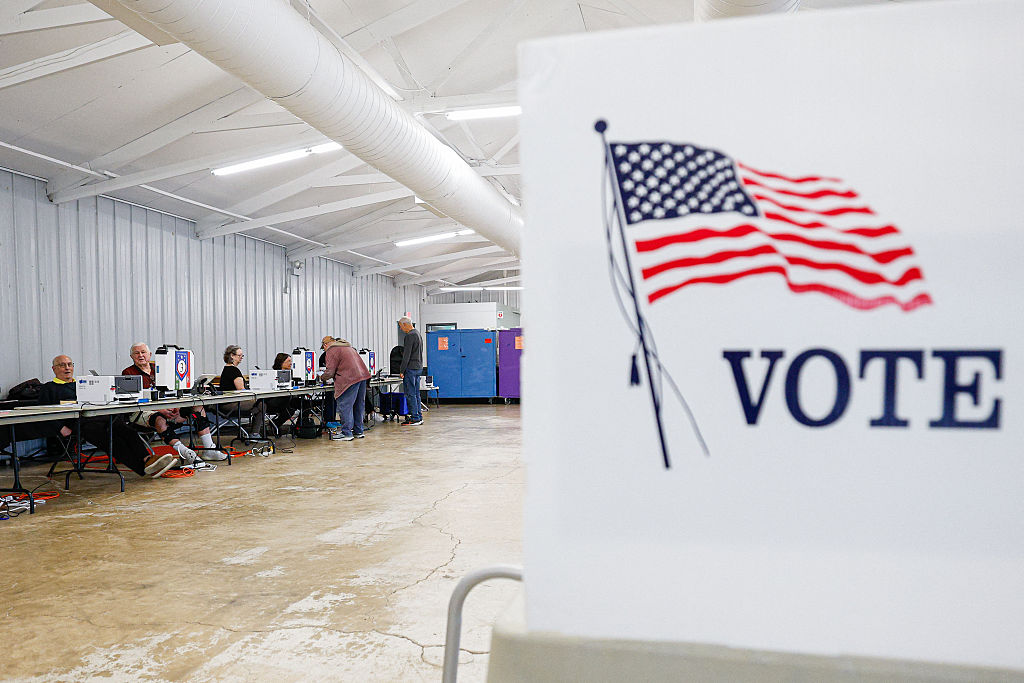
As of late September, polling indicates that the U.S. midterm elections on Nov. 3 are highly likely to result in a divided government, with Democrats heavily favored to gain control of at least the House of Representatives. Still, broadly speaking, the elections are unlikely to have a significant, direct impact on foreign policy issues, as these largely fall under the purview of the presidency. Instead, the Democratic Party's ability to shape U.S. President Donald Trump's policies will often be indirect, such as through negotiating with the White House or trying to steer funding to and away from certain priorities. Moreover, there is virtually no chance that Democrats will perform well enough to win enough seats in either the House or the Senate to override presidential vetoes, or even to gain enough seats in the Senate to overcome Republican filibusters.
