
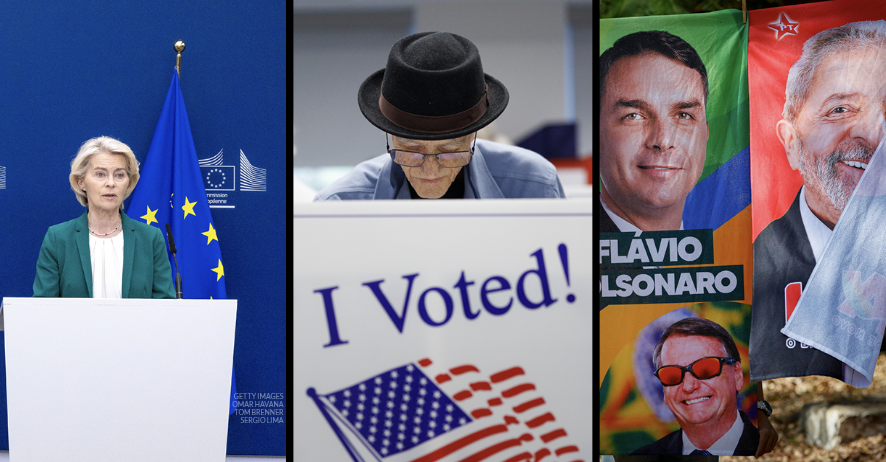
The fourth quarter will be shaped by elections that impact governments' willingness to make politically costly decisions. In the United States, the Trump administration will avoid unpopular measures that could raise energy prices ahead of the Nov. 3 midterms, although it will continue using tariffs, sanctions and selective trade restrictions. After the election, Washington will have greater latitude to pursue more controversial foreign-policy objectives, including potentially stronger military action against Iran. Israel will face a similar situation around its October general election, balancing targeted security escalation with temporary moderation of contentious domestic policies. Brazil's October presidential election could likewise determine whether the country maintains President Luiz Inacio Lula da Silva's interventionist economic approach or shifts toward fiscal discipline, deregulation and closer alignment with Washington. The most immediate geopolitical risk will remain the confrontation between the United States and Iran.
