
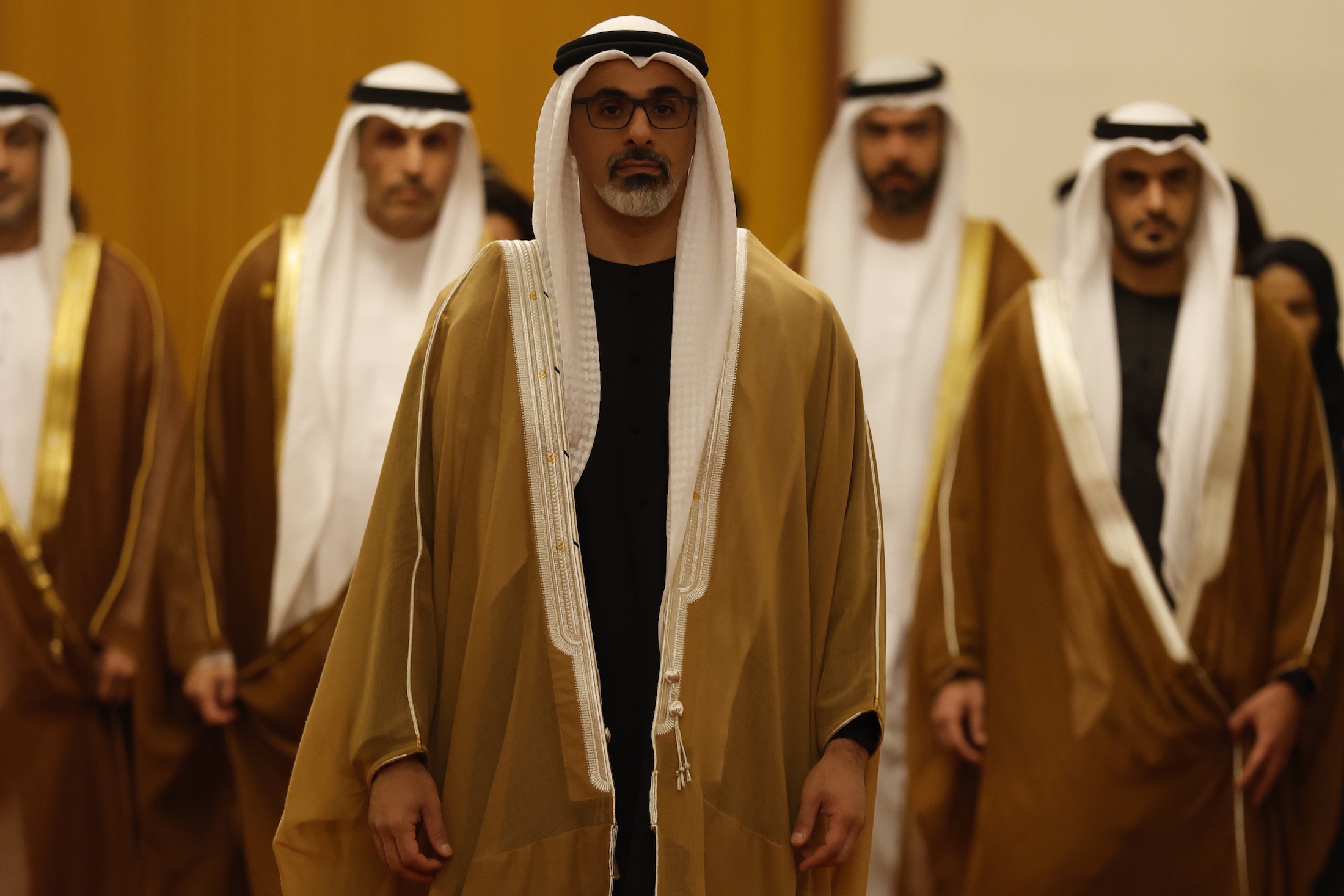
The United Arab Emirates will cautiously pursue pragmatic relations with Iran by keeping trade ties functional, avoiding intervention in Yemen and conducting diplomatic outreach, but it will nonetheless remain vulnerable to renewed Iranian strikes in the event of future U.S. and/or Israeli escalations. The United Arab Emirates has been hedging its regional policies after bearing the brunt of Iran's retaliatory attacks during the most intense phase of the war in the spring of 2026. On Aug. 19, the UAE government announced it was suspending all trade and financial transactions with Iran after two Iranian missiles targeted Emirati waters amid the collapse of the U.S.-Iranian memorandum of understanding in July. But just weeks later, on Sept. 12, Abu Dhabi Crown Prince Khalid bin Mohamed bin Zayed met with Iranian President Masoud Pezeshkian on the sidelines of the BRICS summit, where they reportedly agreed on the need for regional de-escalation.
