
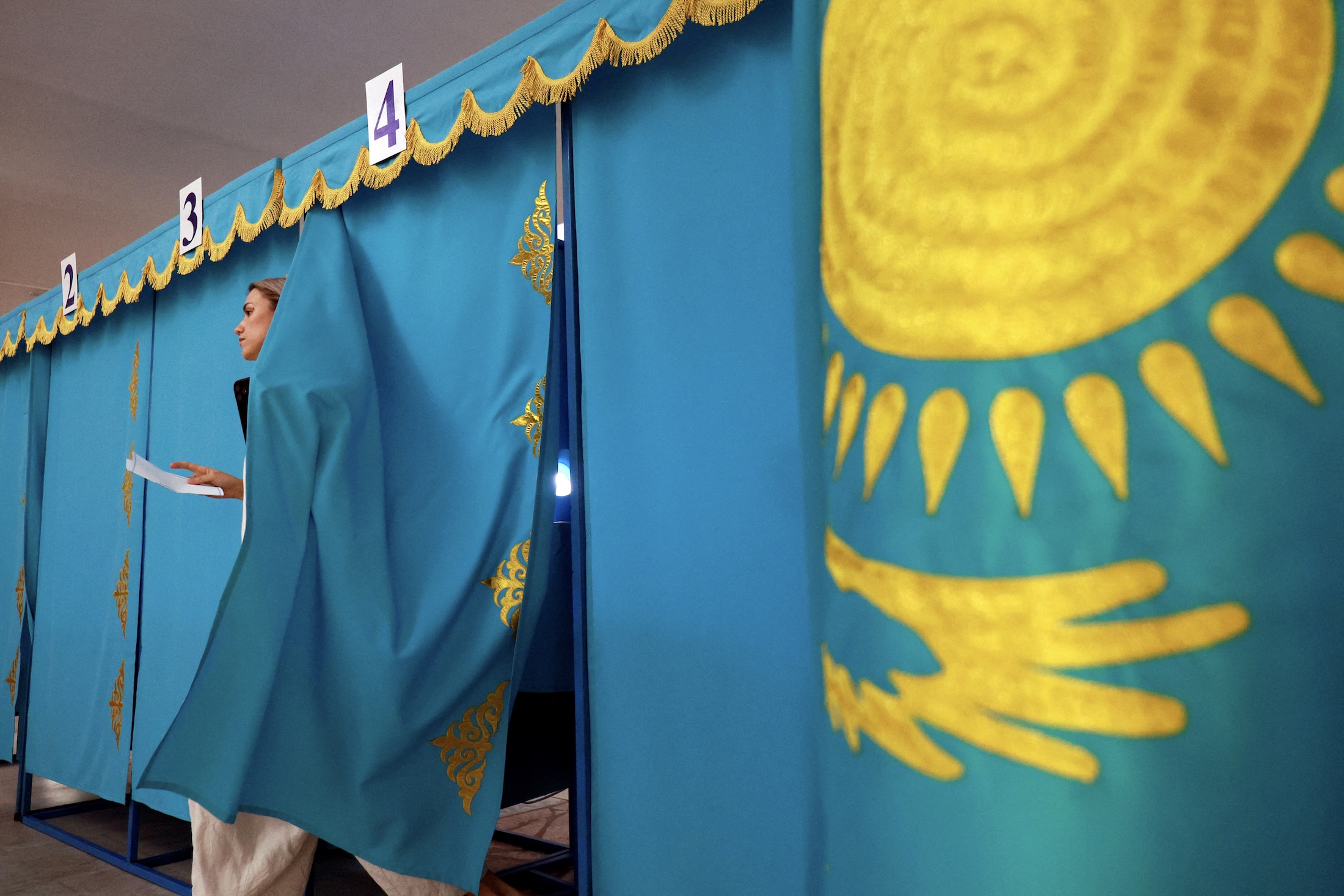
The results of Kazakhstan's parliamentary election formalize an already consolidated personalist political order and likely augur an early presidential vote within the next 12 months, which would ensure short-term policy continuity but would not resolve the succession question, leaving Kazakhstan more exposed to economic disruption and/or unrest. On Aug. 23, Kazakhstan held a snap parliamentary election for the newly established 145-seat Kurultai, the unicameral legislature that replaced the country's bicameral parliament following the approval of a referendum earlier this year. With an official turnout of 74%, the pro-presidential Adilet party won over 71% of the vote. Only four of the six other permitted parties cleared the 5% threshold to enter parliament, though none pose a meaningful challenge to the regime, as genuine opposition movements were excluded from the vote, and prominent opposition figures remain imprisoned.
