
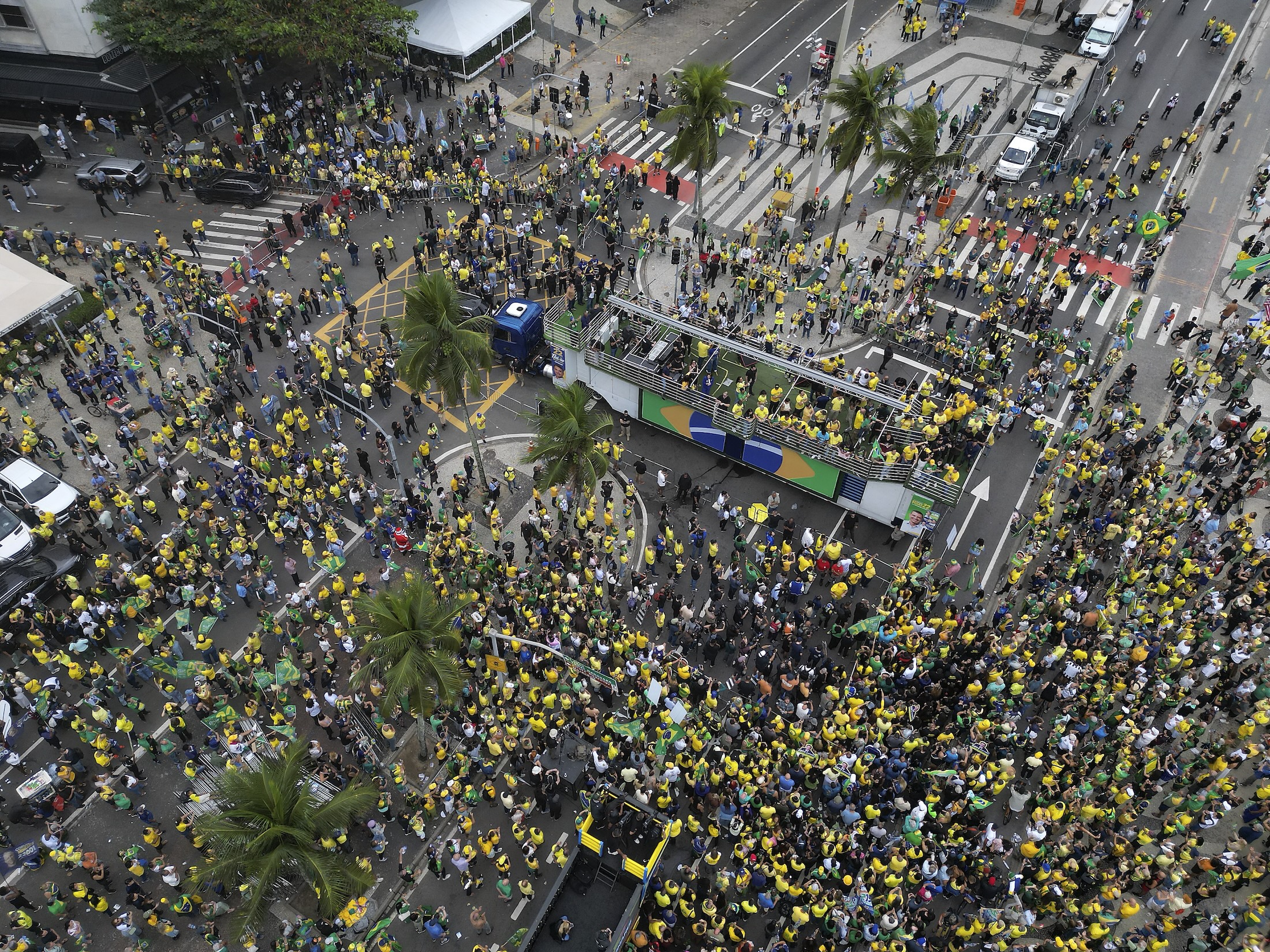
Brazil's next president will struggle to implement a significant fiscal adjustment that addresses the country's growing debt-to-GDP ratio due to budget rigidities and limited legislative influence, thereby increasing the risk of broader financial instability over time. Brazil will hold the first round of its presidential election on Oct. 4, and if no candidate wins 50% of the vote, a runoff will take place on Oct. 25. The election will pit incumbent left-wing President Luiz Inacio Lula da Silva, who favors an interventionist, state-led economic approach, against right-wing candidate Sen. Flavio Bolsonaro, who has adopted a market-oriented, fiscal-conservative agenda. Regardless of who wins, Brazil's next president will face a challenging fiscal outlook, with government debt reaching 93% of GDP and the fiscal deficit exceeding 8% of GDP in 2025.
