
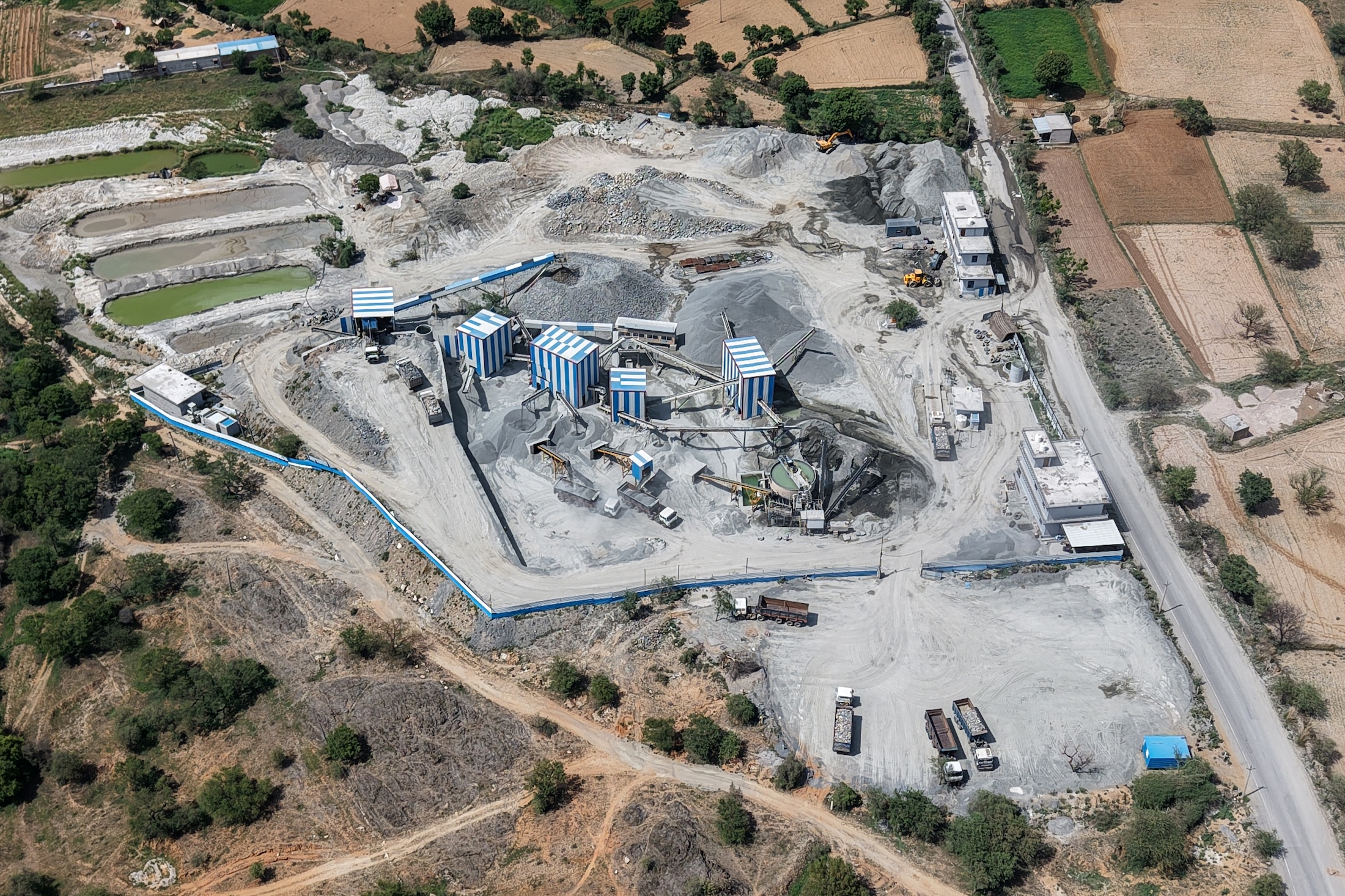
India's new mining bill could lower mining costs and improve investment conditions by limiting state-level mineral levies and reducing fiscal uncertainty, potentially supporting greater domestic mineral production; but resistance from mineral-rich states and constitutional constraints could limit how far the government can extend this approach. On Aug. 10, India's central government introduced a bill in Parliament that tightens its authority over the mining sector by curbing state-level taxes and other charges on mineral resources, and by bringing mineral-bearing land under greater central government regulatory control. The proposed restrictions follow a 2024 Supreme Court ruling affirming states' authority to impose additional taxes on mining activities within their jurisdictions. However, India's constitution allows Parliament to place limits on those taxes through laws governing mineral development, and the Supreme Court confirmed in 2024 that the legislature retains that authority.
