
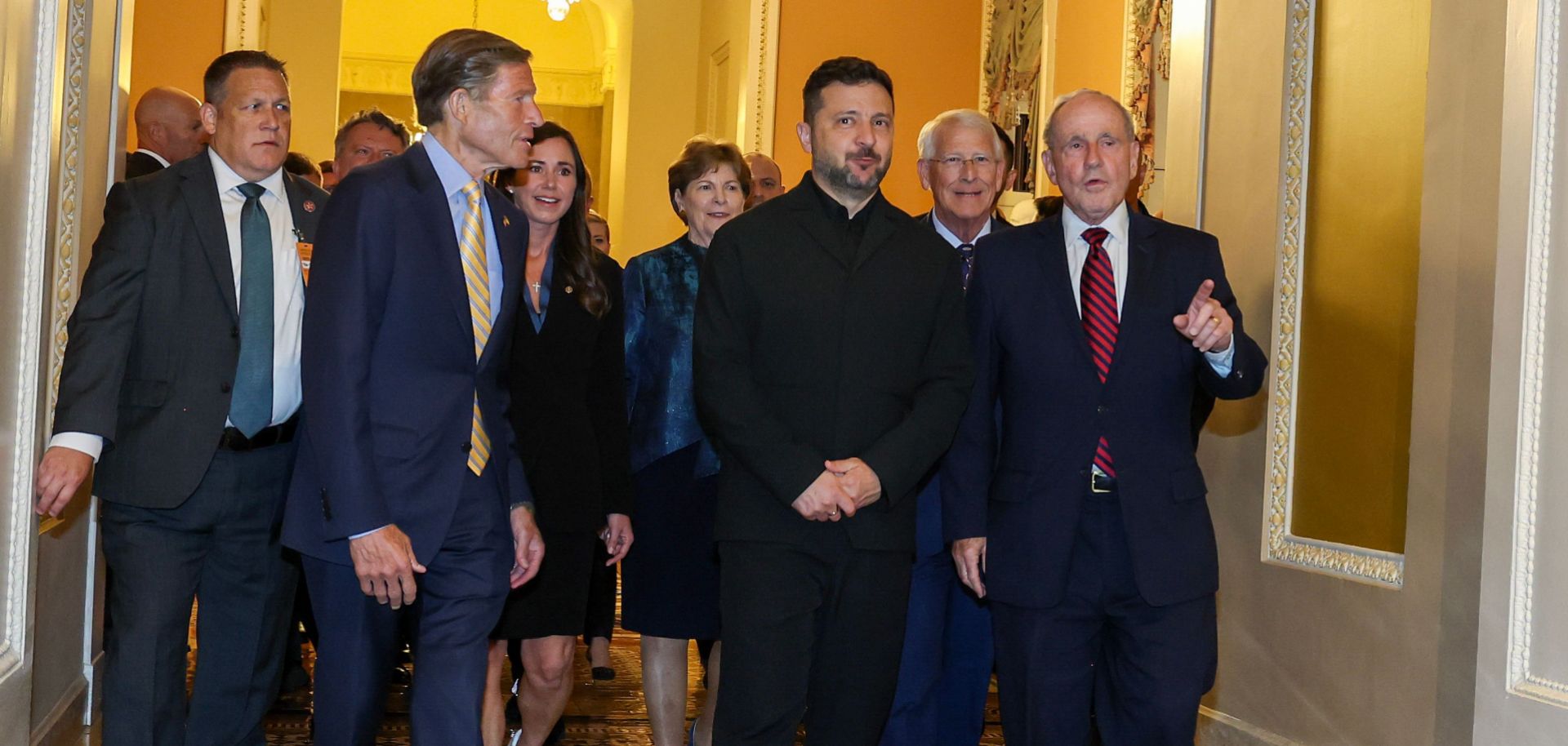
If enacted, the new Russia sanctions bill would give the Trump administration broad new authority to impose tariffs on major buyers of Russian energy, but selective enforcement would likely dilute its effect on the war, even if the bill would retain its value as leverage in future peace negotiations. On July 28, a bipartisan group of U.S. senators voted to advance the Lindsey O. Graham Sanctioning Russia and Iran Act of 2026, a comprehensive sanctions bill targeting Russia and its top oil and gas customers. The bill, in its current form, would grant the U.S. president authority for five years, though not require him, to impose tariffs of up to 100% ad valorem on all goods imported from the five largest purchasers of Russian crude oil or natural gas and the five leading jurisdictions that facilitate Russian energy sanctions evasion.
