
What We're Tracking
Iran buries slain supreme leader as talks with U.S. continue. From July 4-9, funeral ceremonies will be held across Iran, including in Tehran, Qom and Mashhad, for former Supreme Leader Ayatollah Ali Khamenei, who was killed at the start of the conflict with the United States and Israel. Senior Iranian officials are expected to attend, though it is unclear if Khamenei's successor and son, Mojtaba Khamenei, will make a public appearance, which would be his first since becoming the supreme leader. After the funeral proceedings conclude, Iran is expected to resume indirect talks with the United States, likely focusing on the release of frozen Iranian funds and the reopening of the Strait of Hormuz, though major diplomatic breakthroughs remain unlikely. Additionally, there will be a persistent risk of U.S.-Iran clashes around Hormuz if Iran conducts additional attacks against commercial vessels using parallel routes to try to transit the maritime chokepoint, despite some de-confliction mechanisms in place.
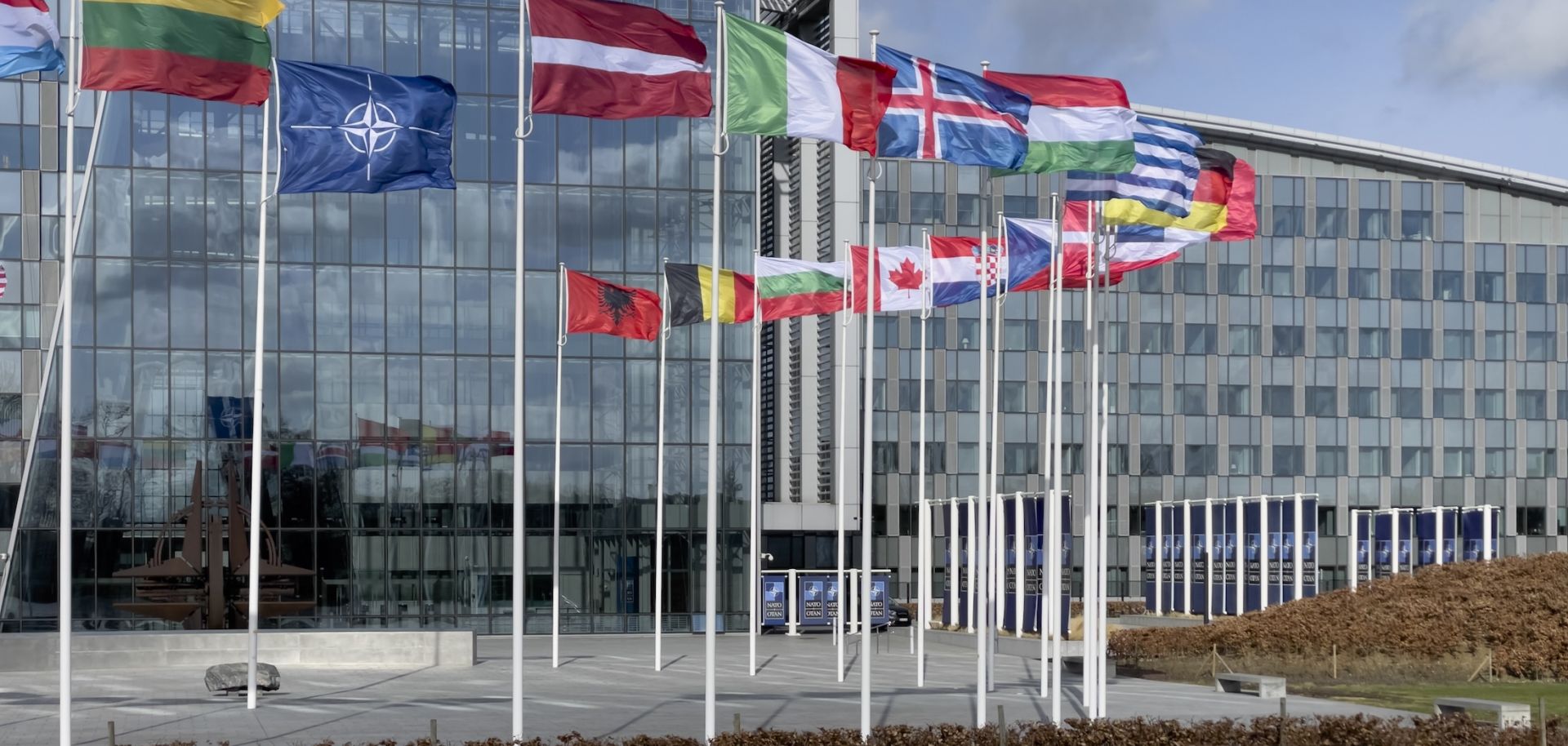
NATO leaders meet in Ankara. NATO leaders will meet in Ankara, Turkey, on July 7-8 to showcase progress on defense spending, defense industrial cooperation and continued support for Ukraine, though political frictions and production limits will continue to slow the alliance's ability to strengthen collective defense. The summit will follow NATO's 2025 agreement for allies to raise security-related spending to 5% of GDP by 2035, a target that most members remain far from meeting. Leaders will likely present multi-year spending plans and announce large defense procurement deals, including at a Defense Industry Forum focused on production, investment and innovation. Turkey will use the summit to highlight its growing indigenous defense sector and press for fewer barriers to cooperation with European defense programs, but Greek and Cypriot objections will likely continue limiting Ankara's access to some EU-linked initiatives. NATO support for Ukraine will also feature prominently, but new pledges will likely rely heavily on Europe-financed purchases of U.S.-made weapons and longer-term production deals, meaning they will do little to meet Kyiv's immediate air defense needs now and before another winter of Russian strikes.
Philippine Vice President Sara Duterte's impeachment trial begins. On July 6, the Philippine Senate will convene the impeachment trial of Vice President Sara Duterte. Given recent Senate approval for a 92-day process, the opening week is likely to focus on procedure in what could become a lengthy, monthslong process. Recent Senate turmoil has weakened the pro-Duterte side as two aligned senators are already effectively sidelined, and a third could be kept from participating if a looming plunder case against him moves quickly. However, vote math still favors an eventual Duterte acquittal because conviction requires a supermajority of senator votes, or 16 out of 24, and current indications are that the bloc opposed to Duterte numbers only 13. Nonetheless, the trial's opening poses localized security and unrest risks in and around the Senate building in Metro Manila. This is because it combines several mobilizing drivers, including protests by Duterte supporters and a large religious bloc backing the senator facing plunder charges, the possible arrest of a senator in hiding wanted by the International Criminal Court if he appears, and heightened police security around proceedings that remain open to the public.
The U.S. moves forward with voluntary AI standards. The administration of U.S. President Donald Trump is in advanced talks with domestic AI companies to finalize voluntary standards for frontier models, with an official announcement potentially coming as soon as next week. Building on an executive order that Trump signed in June, these guidelines could establish a threshold for what qualifies as a "frontier" model, similar to the European Union's AI Act, which sets a threshold based on total compute. Additionally, the standards may outline access provisions, potentially creating a streamlined pathway for key U.S. allies to access advanced models ahead of other nations. The new standards are primarily aimed at mitigating cybersecurity risks, particularly given the ability of frontier models like Anthropic's Mythos to identify vulnerabilities and rapidly generate exploits. While the standards are technically voluntary, the imposition of U.S. export controls on Mythos and Anthropic's Fable 5 models just days after their release in June will likely deter other AI companies from launching models that meet the frontier threshold without undergoing the Trump administration's review process.
Recommended Reading
2026 Third-Quarter Forecast
A fragile truce in the Middle East, persistent energy-driven inflation, shifting U.S. trade policy and escalating regional pressures from Europe to Africa will collectively shape geopolitical risk in the third quarter.
Podcasts
Visit the podcasts page to hear conversations about geopolitical and risk intelligence.
