
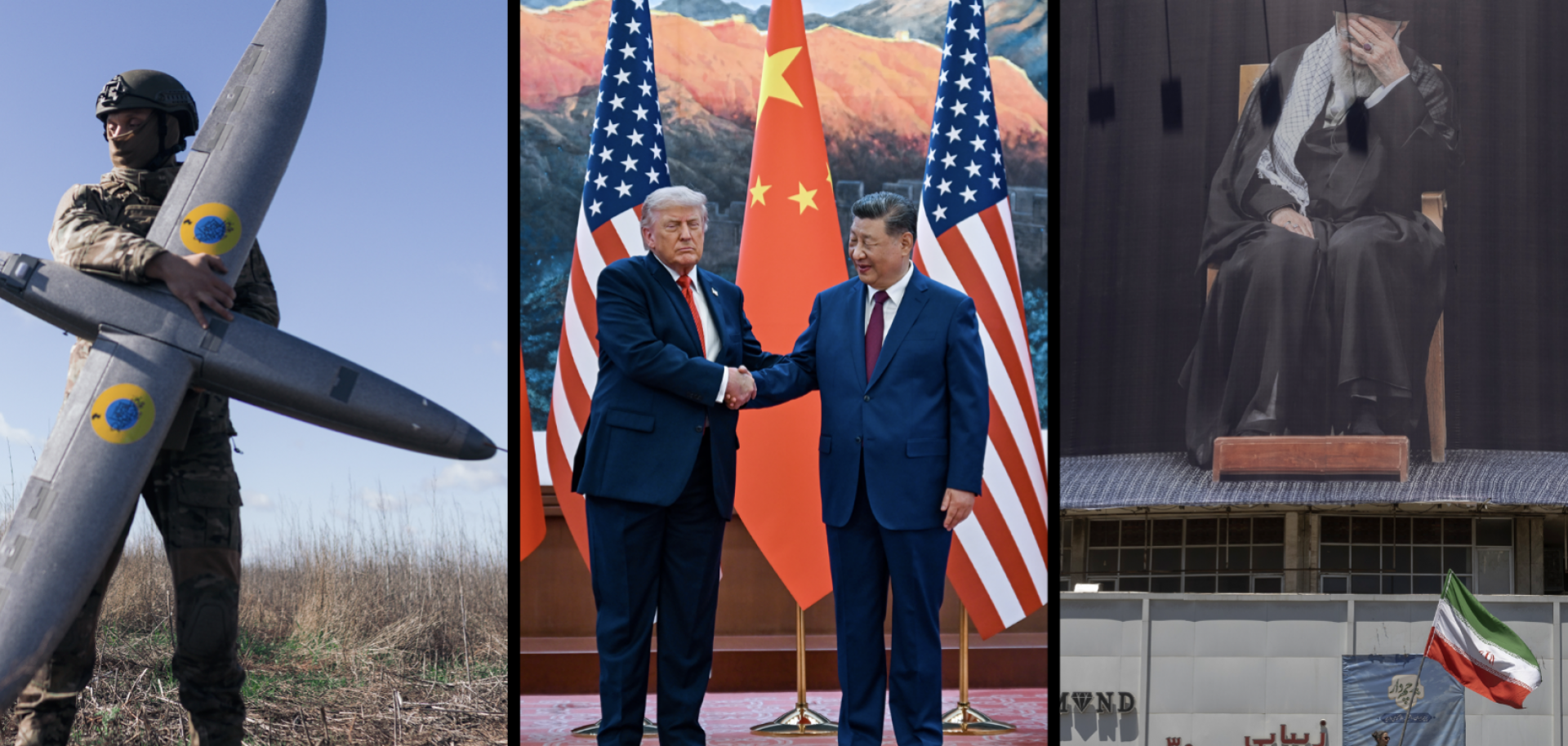
Editor's Note: The following text is excerpted from the 2026 Third-Quarter Forecast; the complete text is available to subscribers at the Focused Access level and above.
The third quarter will be characterized by a fragile easing of geopolitical tensions in the Middle East. A tenuous ceasefire between the United States and Iran will allow a gradual but uneven normalization of energy and commodity flows through the Strait of Hormuz. Negotiations will, however, remain volatile and prone to intermittent escalation. A durable, comprehensive settlement will remain out of reach due to deep disagreements over Iran's nuclear program and related security concerns. As a result, the risk of renewed conflict will persist throughout the quarter and beyond, continually threatening the stability of energy and commodity supply chains.
High energy costs will drag on global growth by squeezing household purchasing power and raising input costs for companies. The inflationary impulse from energy markets will be especially destabilizing for financially vulnerable, low-income countries (notably in sub-Saharan Africa, South Asia and the Asia-Pacific region), where limited fiscal space and weaker monetary credibility reduce the ability to absorb external shocks. In these economies, sustained price pressure increases the likelihood of political strain and financial stress, including balance-of-payments difficulties and social unrest.

At the same time, the United States will implement a revised tariff framework. Temporary Section 122 tariffs will expire in late July and be replaced by a Section 301 regime. While this will maintain a generally higher tariff environment than before the Trump administration, it may reduce policy volatility compared with earlier, more unpredictable measures under the International Emergency Economic Powers Act. Despite this, U.S.-China and U.S.-Europe trade relations will continue oscillating between managed competition and episodic tension.
In the Americas, the Trump administration will keep pressure on the Cuban regime, sustaining the risk of military intervention. Progress on trade negotiations between the United States, Mexico and Canada is likely to remain limited. This lack of movement means uncertainty regarding the United States-Mexico-Canada Agreement review process will persist beyond the quarter, dampening business confidence and investment across North America.
In Europe's eastern theater, Ukraine is likely to remain structurally defensive but resilient. While thinning air defenses will increase exposure to Russian missile and drone strikes, Ukraine's expanding drone warfare capacity will help prevent a decisive Russian breakthrough. Meanwhile, NATO members will respond to U.S. force drawdowns by accelerating military buildup and deepening European defense ties while lobbying to concentrate the remaining U.S. presence on the eastern flank.
Finally, several African states will face heightened political stress. In South Africa, the government is likely to survive despite mounting corruption scandals and pressure on the president. In Mali, the military government is also likely to remain in control, but the jihadist blockade of Bamako will intensify security and humanitarian pressures, increasing the risk of social unrest.