
What We're Tracking
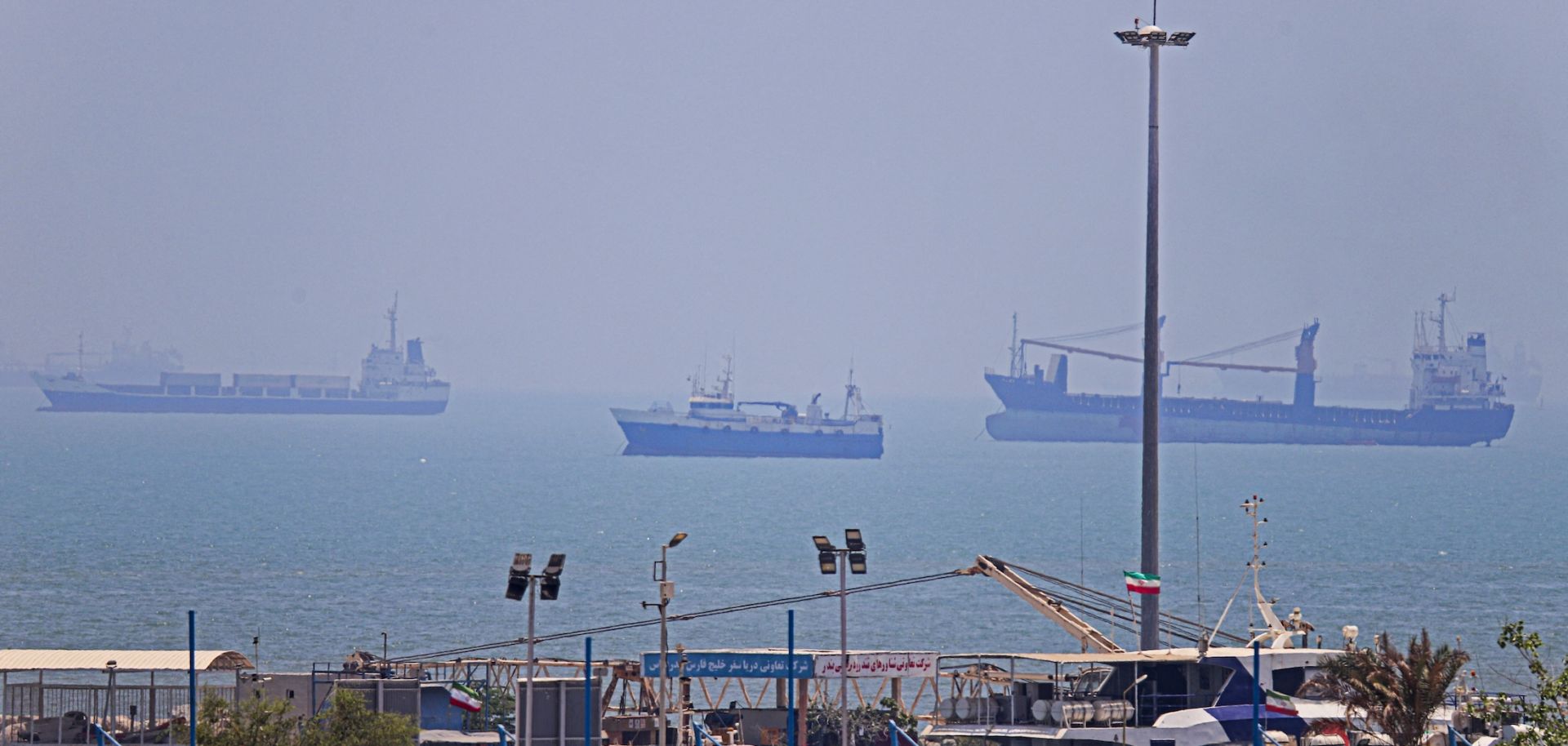
U.S. and Iranian negotiations for a final agreement. The U.S.-Iran memorandum of understanding signed June 17 is highly likely to remain in effect over the coming week, and negotiations toward a final deal will begin. These negotiations aim to resolve remaining details, including the mechanism for a $300 billion investment fund, oversight of the memorandum and the future of Iran's nuclear program. While maritime traffic will remain well below prewar levels, some vessels — particularly ships stranded in the Persian Gulf since the start of the conflict — are expected to attempt to transit the strait. Separately, Israel and Lebanon are scheduled to begin a fifth round of direct negotiations June 22, focusing on Israel's troop presence in southern Lebanon.
Colombia's presidential runoff. Colombians will vote June 21 to pick their next president in an election that will likely result in significant regulatory changes. After performing better than polls indicated and winning the first round, far-right outsider Abelardo de la Espriella has maintained a comfortable lead and will likely be elected amid popular discontent with President Gustavo Petro's security policies and frequent clashes with Congress and the judiciary. Espriella would likely pursue U.S. support for a militarized fight against armed groups. He would seek to cut public spending and scrap regulation, but weak legislative support would hinder his ability to do so. To overcome Espriella's lead, left-wing Sen. Ivan Cepeda would likely need to mobilize a large portion of the electorate that did not vote in the first round. If elected, he would represent broad continuity vis-a-vis Petro's agenda, prioritizing social programs, lax fiscal policies and a negotiated approach to the country's armed conflicts.

U.S. envoys' possible Russia visit. U.S. presidential envoy Steve Witkoff and adviser Jared Kushner may visit Russia in the coming days after Russian presidential aide Yuri Ushakov said Russian President Vladimir Putin and U.S. President Donald Trump had agreed to such a trip during a June 14 call. If it occurs, the visit would follow the signing of a U.S.-Iran memorandum of understanding that could allow Washington to turn more attention back to Ukraine, though it would not necessarily indicate imminent progress toward a peace deal. A resumption of direct talks with U.S. envoys would allow Moscow to press its preferred negotiating order and concessions on Ukraine and could also revive discussion of a narrower energy ceasefire. This time, however, Kyiv would be less likely to agree to one, as its strikes on Russian oil infrastructure are imposing growing costs on Moscow, unless Kyiv sees the arrangement as a way to protect Ukraine's grid before winter, avert a major Russian retaliatory campaign, or secure concessions from Washington or Moscow. The United States issuing a new sanctions waiver after allowing a previous waiver that authorized some transactions involving Russian-origin oil cargoes already at sea, which expired June 17, would suggest Washington is still balancing sanctions enforcement with energy-market stability and diplomatic flexibility.
A Southern African Customs Union leaders meeting. The heads of state and government of the Southern African Customs Union — comprising Botswana, Eswatini, Lesotho, Namibia and South Africa — will meet June 26 in Cape Town, South Africa. The meeting will be preceded by talks reviewing the implementation of SACU's 2022-2027 Strategic Plan and advance negotiations over the customs union's next strategic plan. Key issues discussed by heads of state will include trade facilitation provisions to streamline and digitize regional trade, as well as the strengthening of a common industrialization strategy, such as through the development of mineral beneficiation and reinforcement of automotive supply chains. SACU leaders will also look to coordinate their positions vis-a-vis uncertainty regarding U.S. tariffs and the future of the U.S.'s African Growth and Opportunity Act, as well as the strengthening of trade ties with third parties like the European Union and China.
Recommended Reading
Managing Uncertainty Under Indonesia's Evolving Export Control Regime
Indonesia's new commodity oversight regime marks a major expansion of state control over strategic exports, but fiscal pressure, investor unease and street protests will likely push a softer monitoring model short of a full state takeover.
Algeria's Parliamentary Elections Will Yield Policy Continuity
Upcoming elections are unlikely to change the pro-president composition of Algeria's lower house, making significant policy change or reforms unlikely.
What To Expect if India Starts Halting Indus Water Flows to Pakistan
Reduced coordination on river data and forecasting will increase uncertainty in water management, while the potential expansion of Indian upstream infrastructure could portend faster, more unstable crises with Pakistan.
Podcasts
Visit the podcasts page to hear conversations about geopolitical and risk intelligence.