
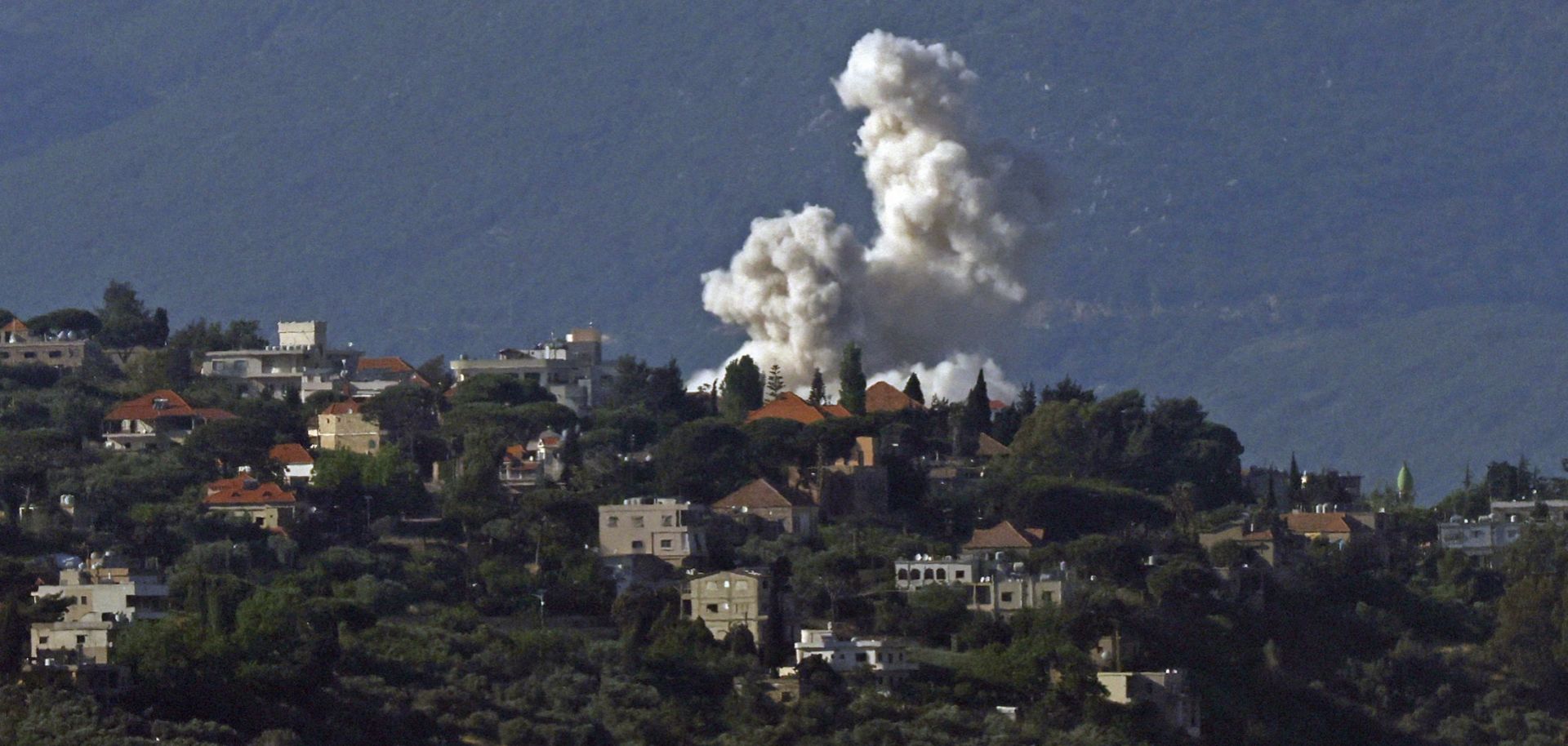
The ostensible ceasefire in Lebanon is unlikely to end fighting between Israel and Hezbollah, though a scenario in which the United States more assertively pressures Israel to achieve its own deal with Iran remains possible. On June 5, longtime Lebanese Parliament speaker and Hezbollah ally Nabih Berri rejected the U.S.-brokered ceasefire framework between Israel and Lebanon announced on June 3, saying he would only accept a full ceasefire that includes an Israeli withdrawal from Lebanese territory before Hezbollah retreats north of the Litani River. Berri's position echoed Hezbollah Secretary-General Naim Qassem, who on June 4 outright rejected the arrangement and also called for a full-fledged ceasefire. Iran's Islamic Revolutionary Guard Corps issued similar statements rejecting partial agreements, emphasizing that a full ceasefire in Lebanon was a condition for preserving its own fragile ceasefire with the United States and warning that without calm in Lebanon, there would be no broader regional calm. Meanwhile, fighting between Israel and Hezbollah has continued, with Hezbollah attacking Israeli troops in southern Lebanon and northern Israel, and Israel issuing new evacuation orders for southern Lebanese towns and carrying out fresh airstrikes.

- The June 3 deal stipulates that the truce would take effect only if Hezbollah halts all attacks and withdraws its operatives from areas south of the Litani River, with the Lebanese Armed Forces assuming sole control of designated security zones in southern Lebanon. The arrangement also appears to envision "pilot" security zones inside Lebanon that would exclude Hezbollah and other non-state armed actors, while Israel and Lebanon would continue negotiations toward a broader security and political agreement later in June. Israel would only progressively withdraw its troops from Lebanese territory after these steps are completed, though the deal does not include a mechanism to force compliance. Israel would still have the right to continue operations against Hezbollah in the event of violations or attacks resuming.
- On June 4, Israeli Prime Minister Benjamin Netanyahu chaired a Security Cabinet meeting to discuss the ceasefire. Netanyahu told ministers that no agreement was currently in place and that there was therefore nothing to submit for Cabinet approval, citing Hezbollah's rejection of the proposed arrangement. He added that if Hezbollah were to agree to a deal, he would bring it before the Security Cabinet for approval.
The U.S.-brokered deal is intended to prevent the Lebanon front from derailing U.S.-Iran talks, but is already under severe strain, given that its terms appear unacceptable to Hezbollah and do not seem sufficient to restrain Israel. Washington has been trying to separate the Lebanon-Israel track from its negotiations with Iran, but Tehran has insisted that Lebanon be included in any wider regional ceasefire. Iran was also reportedly prepared to carry out attacks against northern Israel in response to Israel's planned Beirut strikes on June 2 before U.S. President Donald Trump intervened to broker the Israel-Lebanon deal in a bid to prevent it from collapsing his talks with Iran. However, the framework — at least in its current form — does not appear sufficient to pressure Israel into unilaterally halting its attacks and withdrawing its forces from Lebanon, nor to force Hezbollah to end its attacks and move its fighters away from the border. Of particular concern for Hezbollah, the framework appears to preserve Israel's freedom of action in Lebanon, similar to the post-November 2024 arrangement — a condition which Hezbollah has been rejecting in any ceasefire proposal. As a result, the ceasefire is less a durable settlement than a temporary U.S.-backed effort to prevent politically sensitive Israeli strikes on Beirut and Hezbollah retaliation from disrupting Lebanon-Israel and U.S.-Iran negotiations.
- Tehran believes it has withstood the war with the United States and Israel, and is now negotiating from a relative position of strength. As a result, Iran is seeking to impose conditions on any broader regional ceasefire, particularly by using the April 8 ceasefire agreement with Washington to argue that Israeli operations in Lebanon must stop in order to reach any sort of larger de-escalation deal with the United States. Iran's assertiveness has, in turn, emboldened Hezbollah.
- Axios reported on June 1 that Trump had intervened to stop Israel's planned Beirut strikes, with the tense Trump-Netanyahu call taking place the same day. Two days later, Axios reported that Trump had sharply criticized Netanyahu over Lebanon, warning that an attack on Beirut could derail U.S.-Iran talks.
In the near term, the most likely trajectory is that fighting persists in southern Lebanon with a growing risk of broader escalation if no credible ceasefire mechanism emerges, which would risk collapsing U.S.-Iran talks. Despite the ceasefire having already collapsed to an extent because of Hezbollah's rejection and fighting persisting in southern Lebanon, the United States is highly likely to pressure Israel to limit immediate escalation and keep direct Lebanon-Israel and U.S.-Iran talks alive in the coming weeks. This means fighting between both sides will likely remain concentrated in southern Lebanon. This pattern will persist as long as Trump remains invested in preventing the Lebanon front from derailing U.S.-Iran and Lebanon-Israel negotiations, which will maintain some U.S. restraint on Israel and reduce the likelihood of immediate, sustained strikes on Beirut or further Israeli ground advances deeper into Lebanon. However, the ceasefire is highly unlikely to evolve into a durable truce because neither Israel nor Hezbollah appears willing to meet the other's demands. Over time, if fighting continues without a credible ceasefire framework, it will become increasingly difficult for Trump to restrain Netanyahu, particularly as Netanyahu faces growing domestic pressure ahead of Israel's election season to demonstrate strength and restore deterrence. This dynamic is likely to increase the risk of renewed strikes on Beirut, expanded Israeli ground operations deeper into southern Lebanon and Hezbollah attacks deeper into northern Israel. Such escalation would likely derail direct Lebanon-Israel talks — or at the very least make them futile — and significantly strain the U.S.-Iran negotiations, potentially leading to military reescalation.
- If Lebanon-Israel and U.S.-Iran talks continue to stall, Trump could eventually lose patience and greenlight a broader Israeli operation in Lebanon, not only to pressure Hezbollah but also to force Iran into a harder choice. Under this scenario, Washington may calculate that escalation through Lebanon could either coerce Tehran back into concessions or deliberately bait Iran into a wider confrontation if Trump decides the diplomatic track has failed. This remains a lower-probability scenario for now because Trump reportedly currently does not prefer the military option, but the risk would rise if Hezbollah continues attacks, the ceasefire mechanism collapses completely or higher-intensity conflict resumes between Iran and the United States.
A less likely scenario could see Trump conclude that restraining Israel in Lebanon is necessary to secure a U.S.-Iran deal, leading Washington to pressure Israel into a more comprehensive ceasefire. If Trump decides he wants to completely end the war in Iran and that Israeli escalation in Lebanon is the main obstacle to securing a U.S.-Iran agreement, Washington could become much tougher with Israel and force a more comprehensive halt to operations in Lebanon. This scenario is less likely because Trump has so far tried to balance restraint on Israel (for instance, in pushing for only limited strikes on Beirut) with support for Israeli pressure on Hezbollah. However, it would become more plausible if U.S.-Iran talks were to move closer to a deal in which Lebanon remains the main sticking point or, conversely, if Israeli strikes on Beirut or expanded ground operations threatened to collapse the diplomatic track with Iran. In either case, the United States could become more likely to pressure Israel to halt Beirut strikes, limit ground incursions, accept a fuller ceasefire mechanism and link any future Israeli action to a clearer verification process involving the Lebanese Armed Forces or U.S.-backed monitoring. This would likely reduce the near-term risk of broader Israel-Hezbollah escalation and improve the chances of a diplomatic breakthrough with Tehran. However, it would also trigger strong Israeli political backlash, especially from Netanyahu's far-right coalition partners who are advocating for stronger action against Hezbollah. Hezbollah may claim that its resistance and Iran's pressure forced Israel into restraint, thereby complicating the group's disarmament and leaving the door open for a future round of conflict with Israel.