
What We're Tracking
Elevated tensions in the Middle East. Heightened tensions will likely persist throughout the Middle East even if major fighting does not resume. Sporadic maritime incidents are likely in the Strait of Hormuz, such as attacks on vessels or ship seizures, and the risk of sporadic clashes between the United States and Iran will persist. Mounting economic pressure and a lack of signs of meaningful progress in U.S.-Iran negotiations also mean the United States could escalate militarily against Iran to try to break the diplomatic deadlock. Sporadic attacks by both Israel and Hezbollah will meanwhile remain likely.
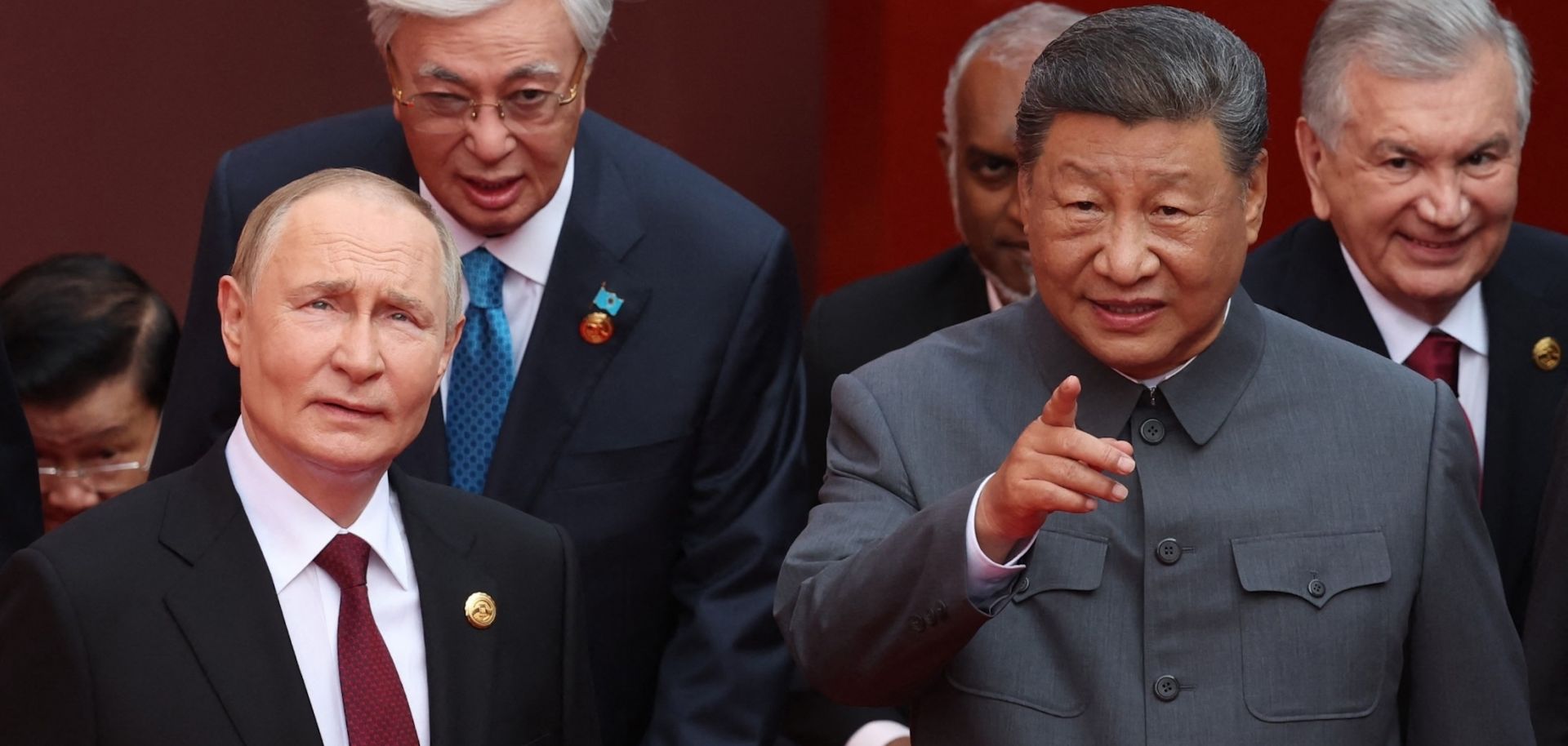
Putin heads to Beijing. Russian President Vladimir Putin on May 20 will visit Beijing for talks with Chinese President Xi Jinping, only days after Xi hosted U.S. President Donald Trump in the Chinese capital. The one-day trip, portrayed by Chinese and Russian officials as routine, will likely focus on energy cooperation, sanctions-resistant payment systems, and broader coordination within multilateral groupings such as BRICS and the Shanghai Cooperation Organization. Although the meeting is unlikely to produce major public announcements, Putin will likely seek progress on long-delayed projects such as the Power of Siberia 2 gas pipeline, as Russia remains heavily dependent on Chinese markets and financial channels after years of Western sanctions.

Japan's premier visits South Korea. Japanese Prime Minister Sanae Takaichi will meet with South Korean President Lee Jae Myung from May 19-20 in the latter's hometown of Andong, following Lee's trip to Takaichi's hometown of Nara in January. This is part of both leaders' efforts to maintain a campaign by their predecessors to improve long-tense bilateral relations in order to bolster economic and national security amid the U.S.-China trade war and growing Chinese maritime threats. Though Lee is the former leader of the Japan-skeptic Democratic Party and Takaichi leads a nationalist faction of Japan's ruling conservative party, under which South Korean relations have historically been strained, both are attempting to downplay these backgrounds. The visit will likely focus on economic security, with both sides concerned about energy supplies amid disruptions to imports of Middle Eastern oil and gas stemming from the Iran war. They will also likely discuss expanding budding security cooperation, including through a draft agreement to share fuel and ammunition during emergencies, following South Korean military jets refueling in Japan for the first time in January and the recent expansion of joint military drills.
Mexico hosts the EU-Mexico Summit. Mexico and the European Union will sign the Modernized Global Agreement and the Interim Trade Agreement at the eighth EU-Mexico Summit on May 22. The agreement updates a 2000 framework and eliminates remaining bilateral tariffs, opens Mexican state-level public procurement to EU bidders, liberalizes services, introduces a dedicated digital trade chapter, establishes an Investment Court System to replace ad hoc investor-state arbitration and creates a critical raw materials cooperation framework. It shows both parties' efforts to diversify trade away from the United States, with the European Commission projecting an increase of up to 40% in bilateral commerce over the medium term. That said, existing integration with U.S. supply chains and EU nontariff barriers on the Mexican side or disparaging purchasing power or limited economic complementarity with Mexico on the European side will limit exporters' ability to redirect commerce significantly, likely reducing the deal's impact.
Recommended Reading
How the Afghan-Pakistani Conflict Is Redrawing Regional Relations
Gains from the Afghan Taliban's growing regional ties will be hindered by enduring disputes, logistical constraints, infrastructure security risks, and Pakistan's possible absence from future multilateral engagements.
Starmer's Days Appear Numbered After U.K. Health Secretary Quits
While a leadership transition would prolong market volatility, any new prime minister would likely maintain policy continuity and fiscal discipline, differing only on the specific execution of budget restraint and EU rapprochement.
Turkey Pursues Tax Reforms Amid Economic Fallout From the Iran War
Continued high inflation, political uncertainty and bureaucratic hurdles will likely limit the overall effectiveness of the reforms, which come ahead of the 2028 presidential election.
Podcasts
Visit the podcasts page to hear conversations about geopolitical and risk intelligence.