
What We're Tracking
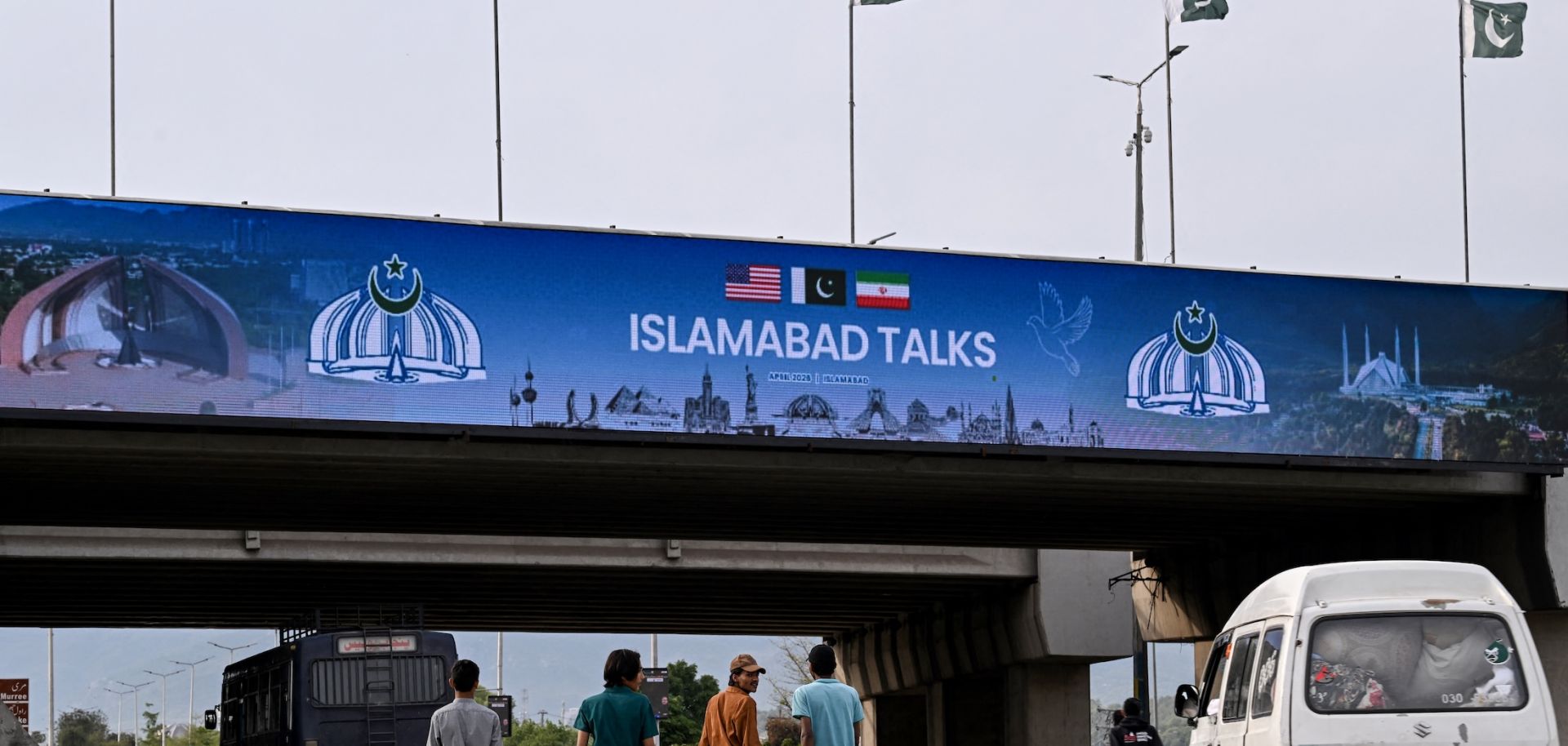
U.S.-Iran talks, Israel-Lebanon direct negotiations. The United States and Iran are set to begin contentious talks April 11 in Islamabad, Pakistan, with disputes over the 10-point proposal as a framework for discussions and major gaps between U.S. and Iranian demands. Continued strikes in the region, including Israeli attacks in Lebanon and Iranian and proxy attacks against Gulf countries, plus Iranian restrictions on maritime shipping through the Strait of Hormuz risk undermining the talks. If the ceasefire collapses, the United States and Israel could escalate their attacks, potentially widening the conflict. Meanwhile, Israel and Lebanon are slated to hold direct negotiations April 13 in Washington, though Lebanese officials have conditioned these talks on an Israel-Lebanon ceasefire to which Israel is unlikely to agree. Even scaled back Israeli action in Lebanon, however, could provide a path to de-escalation.
Hungarians vote. Hungary will hold parliamentary elections April 12 in what polls indicate will be the most competitive election there since Prime Minister Viktor Orban returned to power in 2010, with opposition leader Peter Magyar's Tisza Party mounting the strongest challenge to Fidesz in more than a decade. Recent polling suggests Tisza holds a substantial lead, though the result remains uncertain given Hungary's politicized polling environment and Fidesz's structural advantages, including media dominance, entrenched institutional control and a mixed electoral system that favors incumbents. The outcome will have significant implications for EU decision-making, particularly on Ukraine, Russian sanctions and energy and defense policy more broadly. A narrow result could trigger disputes over electoral legitimacy, while even a clear opposition victory would face constraints from entrenched Fidesz influence across state institutions and potential moves by the government to obstruct a power transition. This gives rise to risks of considerable political instability, institutional crisis and social unrest.

The new Vietnamese president makes a state visit to China. From April 14-17, Vietnamese Communist Party General Secretary and newly appointed President To Lam will visit China for his first foreign trip since consolidating Party and state authority April 7. He will meet with his counterpart, Xi Jinping, and other senior leaders. This visit reflects a long-standing norm in which newly minted Vietnamese leaders prioritize China early in their tenure, signaling continuity in bilateral relations and the political importance both sides attach to the relationship. The trip will likely emphasize cooperation in areas such as rail connectivity, trade facilitation and industrial cooperation, with potential movement on cross-border infrastructure projects. At the same time, the visit comes amid mounting external pressures, including U.S. tariff risks and energy market disruptions, which are pushing Hanoi to stabilize ties with Beijing even as it maintains broader strategic flexibility. Substantive discussions of the contentious South China Sea issue are unlikely, however, reinforcing a compartmentalized approach to security issues while advancing selective alignment in other areas.
Canadian by-elections. Canadian voters in three legislative districts (two in the Toronto area and one in the Montreal area) will go to the polls April 13 in three by-elections that offer Canadian Prime Minister Mark Carney the opportunity to turn his minority government into a majority one. Carney's Liberal Party is just one seat shy of meeting that threshold, and polls project Liberal candidates to win at least two, if not all three, of the races. Securing a majority would give Carney much more flexibility to enact his agenda over the coming years, including initiatives to further Carney's foreign policy goals of diversifying away from dependence on the United States and toward partners in Europe, Asia and elsewhere. Still, even with a majority, Liberals would not fully control parliamentary committees crucial to moving legislation forward, keeping some constraints on the Liberals' influence, and Carney will have to confront simmering separatist sentiment in the provinces of Alberta and Quebec.
General elections in Peru. Peruvian general elections occur April 12, with voters selecting a president, two vice presidents and all 130 members of the Chamber of Deputies. In addition, the election will mark the return of the bicameral legislative system, with voters electing members of a 60-seat Senate. The election comes amid an extended period of high political tensions, with Peru having had eight presidents in the last decade, with three in the last year, amid repeated presidential impeachments. A record 35 presidential candidates are competing, making it highly unlikely that any one will obtain more than 50% of the vote in the first round. This will necessitate a runoff vote June 7. The elections will determine whether Peru can return to political stability over the coming years, effectively combat violent crime and improve the country's investment attractiveness. It will also determine whether Peru aligns itself with the right-wing pro-Trump coalition of Latin American governments, which includes Argentina, Chile and Ecuador, or the left-wing coalition of governments, which includes Brazil.
Recommended Reading
Argentina's Revised Glaciers Law Will Unlock Mining Investment, but Risks Environmental Degradation
By dismantling uniform national protections in favor of provincial oversight, Argentina aims to stimulate its extractive-export economy but will risk the long-term security of water-dependent sectors and the environment.
Strait of Hormuz Shipping Likely To Remain Disrupted, Despite Ceasefire
Fears that U.S.-Iran talks will collapse, along with Iran's ongoing efforts to formalize its authority over the strait by imposing transit fees and limiting traffic, will likely keep shippers cautious.
India Cautiously Opens up to Chinese Investment
New Delhi's decisions to permit specific imports and fast-track minority investments highlight its strategy of addressing critical manufacturing shortages, though relations are unlikely to extend beyond low-level confidence-building measures.
Podcasts
Visit the podcasts page to hear conversations about geopolitical and risk intelligence.