
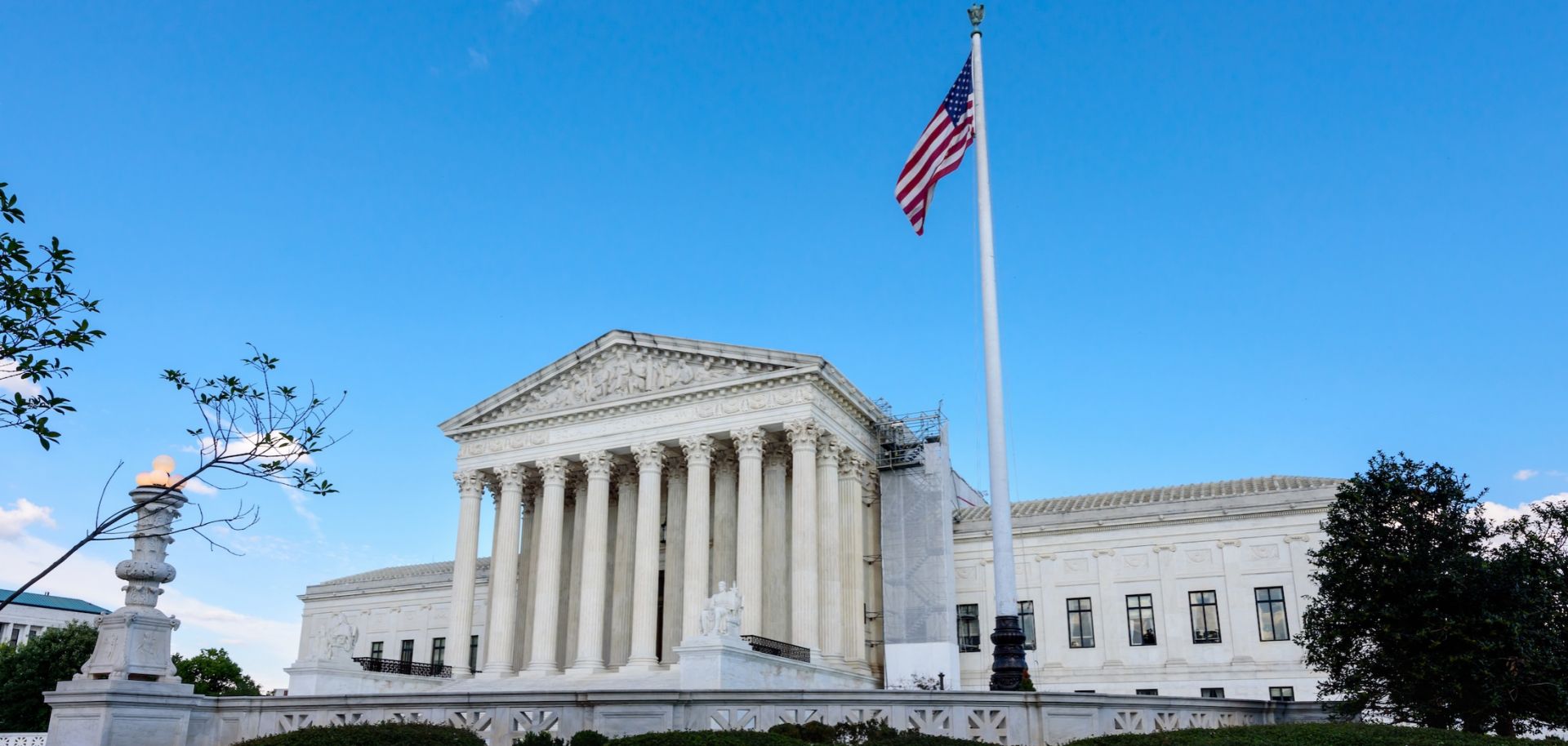
The U.S. Supreme Court's ruling on the Trump administration's use of the IEEPA curtails rapid tariff escalation but preserves slower enforcement pathways, leaving Japan and South Korea exposed primarily to potential reactivation of higher auto sector tariffs, while Indonesia — and especially Vietnam — face higher risks of targeted tariffs and other punitive trade measures. The Feb. 20 U.S. Supreme Court decision striking down President Donald Trump's use of the International Emergency Economic Powers Act, or IEEPA, to impose sweeping "reciprocal" tariffs directly disrupted the statutory basis underpinning recently negotiated U.S. trade arrangements with Japan, South Korea and Indonesia, while complicating implementation talks with Vietnam under its July 2025 tariff framework. Tokyo and Seoul both stated that their respective agreements with Washington remain valid despite the invalidation of the IEEPA tariff mechanism used to implement their negotiated tariff rates.
