
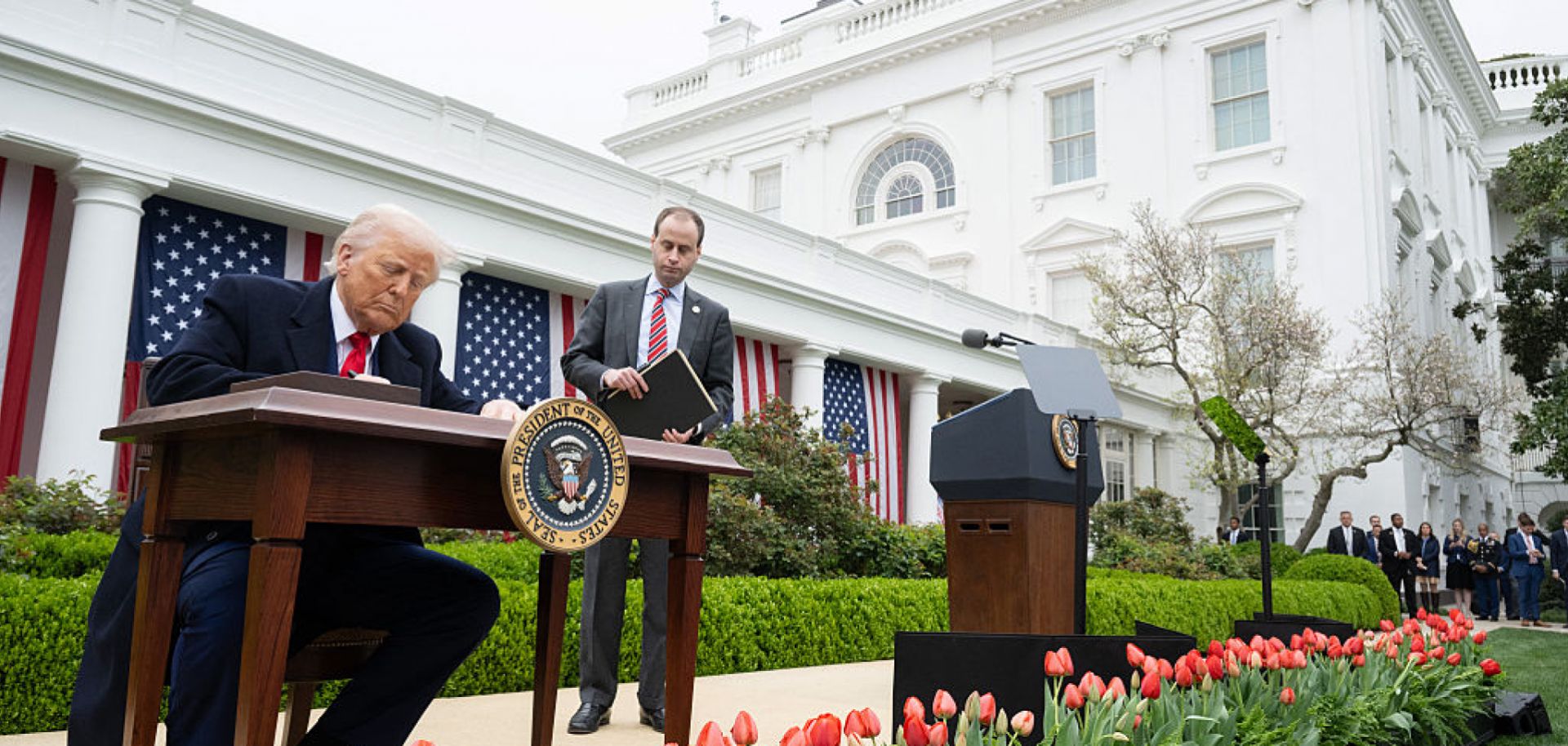
The U.S.–EU trade dispute is on track to escalate as Brussels prepares retaliation against Washington's sweeping 20% tariff on EU goods, increasing the risk of a protracted tit-for-tat trade war that would disrupt supply chains, slow growth on both sides of the Atlantic and strain broader cooperation . On April 2, the United States imposed a 20% tariff on all EU imports, making the bloc one of the territories most affected by the White House's reciprocal tariffs targeting about 60 countries. On April 3, European Commission President Ursula von der Leyen vowed to retaliate, though no specific announcements were made. She also confirmed the European Union is finalizing a 26 billion euro (about $28 billion) tariff package in retaliation for U.S. steel and aluminum tariffs announced in March and pledged further measures to prevent market distortions from cheaper goods redirected from countries like China.
