

U.S. President Joe Biden prepares to sign executive orders after speaking about climate change issues in the State Dining Room of the White House on Jan. 27, 2021, in Washington D.C. Behind him stands Special Presidential Envoy for Climate John Kerry (left) and Vice President Kamala Harris (right).
The White House’s move to elevate climate change to a national security priority will enable immediate policy-making changes that belie the more complex long-term challenge of actually incorporating environmental impacts into strategic calculations. On Jan. 27, amid signing a series of executive orders targeting what he termed the global “climate crisis,” U.S. President Joe Biden instructed the military and national security community to prioritize climate change considerations when formulating policy. The president’s direction forms a small portion of his administration’s pledge to revive efforts to address climate change mitigation and adaptation strategies at home and abroad. Former President Donald Trump, by contrast, repeatedly expressed skepticism about the scientific consensus on climate science, and took steps to deprioritize or fully remove policies addressing the impact of climate change from his administration’s agenda.
- Agencies that conduct significant international work are required to develop within three months a strategic plan to integrate climate change considerations to their activities.
- Intelligence agencies will complete a National Intelligence Estimate within four months to evaluate the national and economic security implications of climate change. Presumably, this will then be used to inform intelligence priorities and strategic decision-making.
- The military will submit within four months an evaluation of the security implications of climate change that can be incorporated into its risk analyses, strategy development and planning guidance. This includes considering climate change in the National Defense Strategy (NDS) and other strategic documents.
Biden’s direction strongly contrasts with that of his predecessor and reflects a growing appreciation of how climate change affects military operations and security at home and abroad. In 2019, the U.S. Department of Defense acknowledged in a congressionally-mandated report that “the effects of a changing climate are a national security issue.” The public versions of the NDS and the National Security Strategy produced under the Trump administration, however, notably did not mention climate change as a threat. The Trump White House was also accused of trying to water down or remove references to the implications of climate change in other foreign policy and security documents. Meanwhile, media reports suggested that military and national security leaders deliberately sought to avoid raising the issue because of the former president’s public skepticism surrounding climate change.
- The U.S. military is one of the world’s largest institutional consumers of fossil fuels, and changes in the price and mix of energy options have a significant impact on its budget and operations. A press release on Jan. 27 from Secretary of Defense Lloyd Austin stated that changing the military’s own carbon footprint could be ''a platform for positive change."
- The Pentagon has acknowledged that climate change poses a threat to its mission and capabilities, in part because of extreme weather events that cause damage to its facilities. In 2019, it cataloged climate-related impacts to 79 installations in every geographic area of responsibility; Offutt Air Force Base in Nebraska, which houses the headquarters overseeing the country’s nuclear arsenal, alone required more than $400 million in repairs following severe flooding.
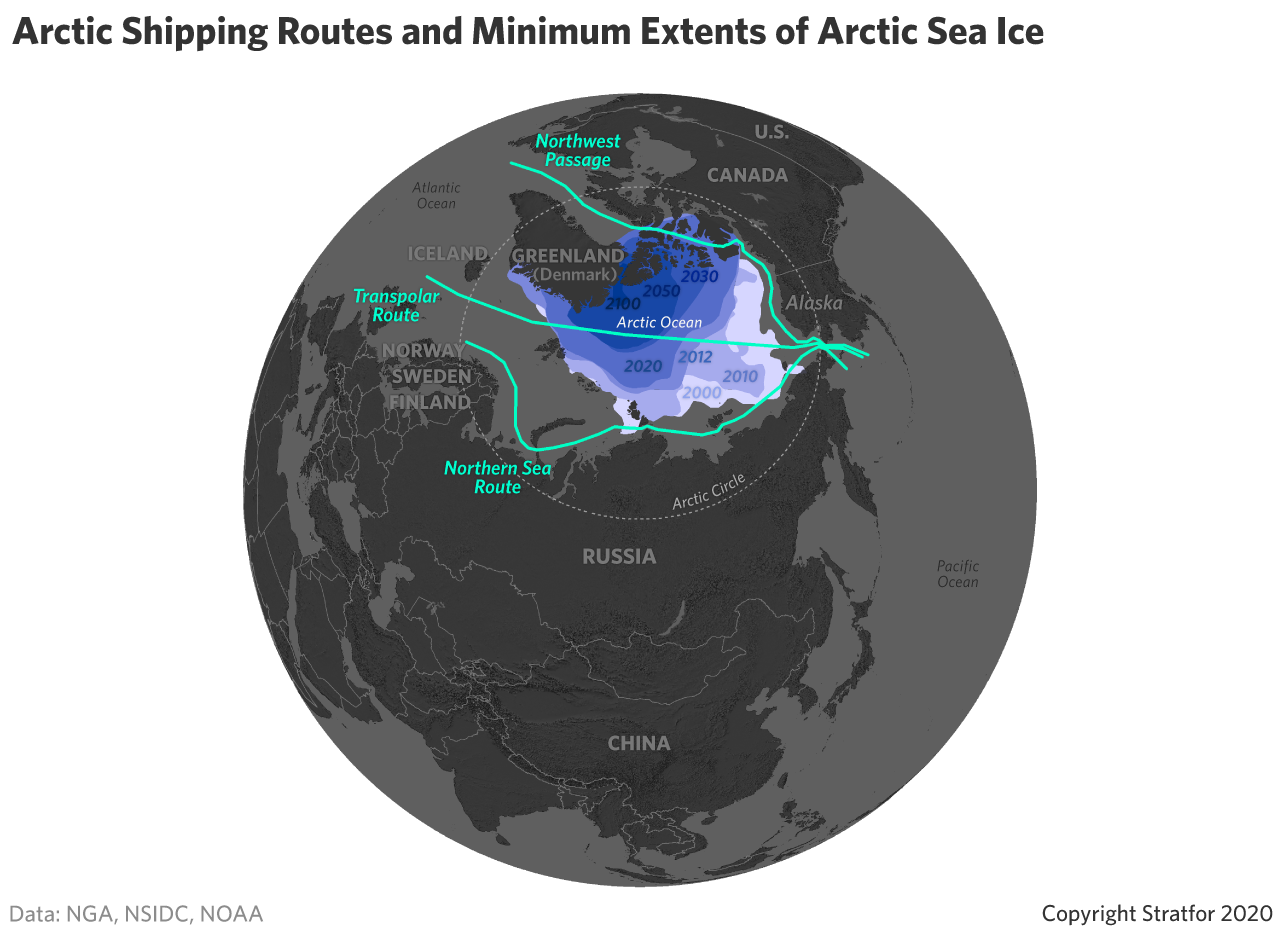
- Climate change is already fostering geopolitical competition in places like the Arctic and, in some areas, contributing destabilizing effects, such as food and water shortages, which could lead to unrest or conflict that affects U.S. interests. By contrast, in other places, like northern Russia, warming temperatures are improving agricultural yields and access to resources, which could strengthen those countries’ geopolitical and geoeconomic clout.
Recasting climate change as a national security priority will force current and future policymakers to reckon with how to actually integrate it into complicated strategic considerations. The Biden administration’s direction accomplishes a comparatively easy goal of raising the issue in the policy-making process. Carrying out its recommendations, however, will involve balancing competing goals and challenging tradeoffs.
- On Jan. 27, U.S. Secretary of State Antony Blinken stated that he favored working with China to combat climate change, even as he reiterated that Washington has fundamental and enduring disagreements with Beijing in many other areas. Balancing engagement on climate change with pushback elsewhere will prove tough.
- Climate change’s uneven and complex impacts across the globe will force U.S. military and national security officials to reevaluate the relative importance of certain world regions and shift resources in ways that could prove also challenging. For instance, even as the United States seeks to confront threatening Chinese military actions in East and Southeast Asia, it may need to focus more on the Arctic to stymie Russia’s advance there, as previously impenetrable ice melts amid temperature increases.
- Transitioning U.S. military energy use away from fossil fuels may not be fully possible over the next decade, at least given current technological constraints, unless the country is willing to sacrifice the capabilities of some of its key hardware used to project power, including many types of bomber aircraft and non-nuclear naval vessels.
