
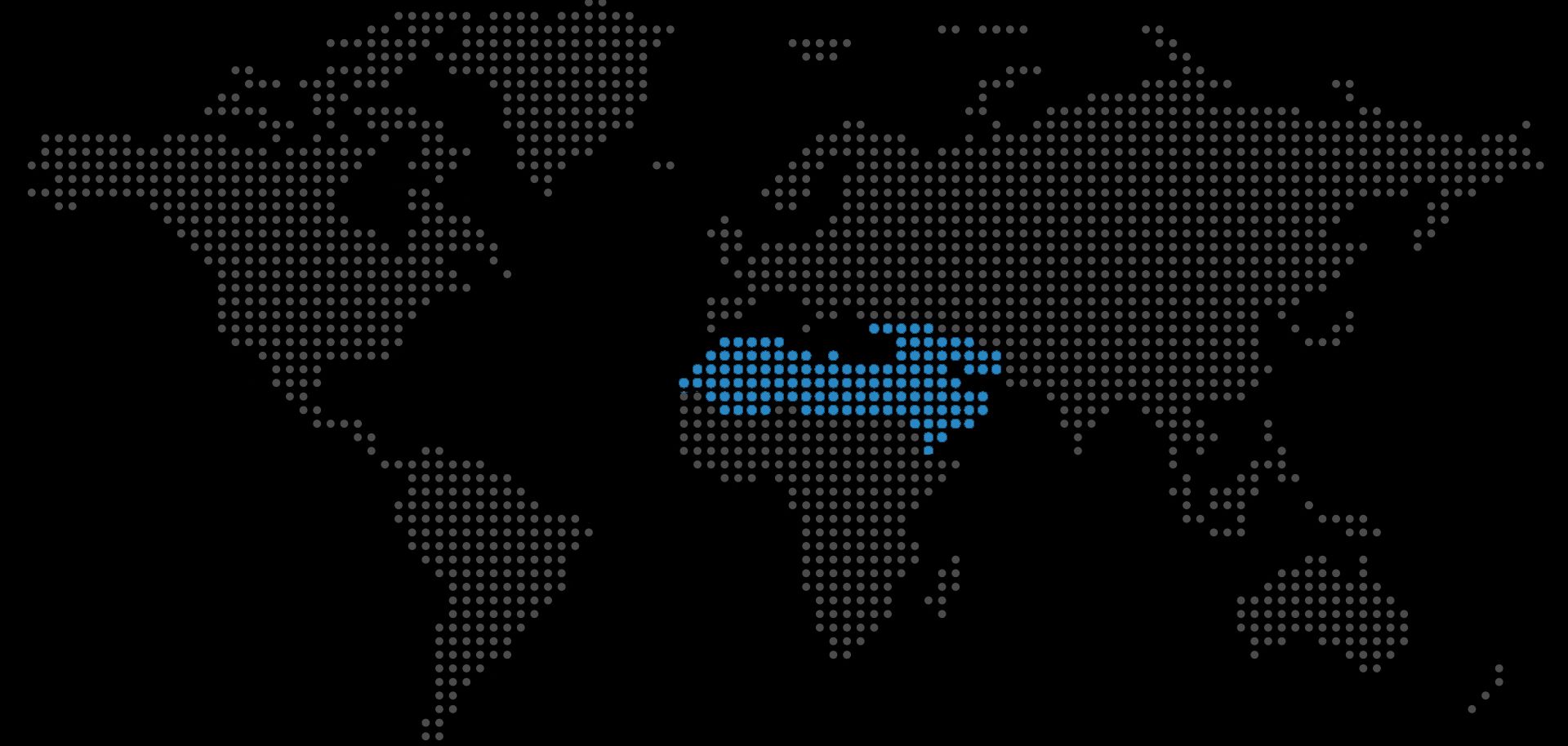
On Aug. 13, Israel and the United Arab Emirates announced their intention to normalize relations, paving the way for increased economic and diplomatic ties and setting a precedent for other Arab Gulf states to follow suit. The agreement, which was brokered by the United States, sets a roadmap for Emirati and Israeli officials to sign trade, travel, investment and technology deals as they pursue a path of diplomatic normalization for the first time in either country's history. It also includes a pledge by Israel to maintain the freeze of its pledged annexation of parts of the West Bank, as well as for Israel and the United Arab Emirates to cooperate on the development of a COVID-19 vaccine. The deal, however, notably does not create a realistic roadmap to restart the Israeli-Palestinian peace process, nor does it change the current trajectory in the West Bank toward making a future Palestinian state unviable.
- Israel and the United Arab Emirates have steadily been increasing their budding ties since the beginning of the year. In January, Emirati officials made a public appearance at the White House during the signing of the Israeli-Palestinian peace plan, and in May, the Emirati ambassador to the United States wrote the first official Emirati op-ed in an Israeli newspaper.
The agreement sets a precedent for other states to normalize relations with Israel, particularly in the Arab Gulf region, with U.S. officials already signaling that Bahrain and Oman may soon follow with their own normalization declarations. Many Arab Gulf states have also been seeking closer ties with Israel in recent years: Oman hosted Prime Minister Benjamin Netanyahu in November 2018; Bahrain has quietly hosted Israeli business and security delegations for many years; Qatar has long worked with Israel to supply humanitarian aid to the Gaza Strip; and Saudi Arabia has reportedly purchased Israeli security technologies. While some of these moves have been driven by mutual hostility against Iran, some Arab Gulf states have also sought increased access to Israel's economy and technology sector, as well as Israeli companies looking for diversified markets. With the United Arab Emirates' public declaration of normalization, these states will be better able to explore their own paths to similar relationships with Israel in their hopes of taking advantage of the country's dynamic economy and tech sector, as well as benefit from Israel's military superiority — much like how Jordan was able to use the 1979 treaty with Egypt as a precedent for the eventual signing of its own treaty with Israel in 1994. States even beyond the Arab Gulf region may also be more willing to explore or expand their relations towards normalization. Sudan, for example, has been exploring new relations with Israel by opening its air space to some Israeli flights.
But while the agreement promises to freeze Israel's annexation process, Israel has made it clear that it could pick up annexation later on. Israeli officials said that they would suspend annexation at the United States' request in order to implement this deal. This, however, was not a difficult concession as the process was already essentially frozen. Amid a resurgence of COVID-19 infections, the Israeli unity government signaled it was more focused on managing the fallout of another wave of the virus over absorbing the potential repercussions of annexation. Circumstances may become more favorable for annexation again, should the pandemic ease and Israel's unity government might stabilize. Further normalization of its regional ties might also embolden Israel by signaling a lack of international interest in pushing back against annexation, which could prompt Israel to carry out the annexations its pledged to do in the Jordan River Valley, settlements in the West Bank and other territories that would make a future Palestinian state unviable.
