
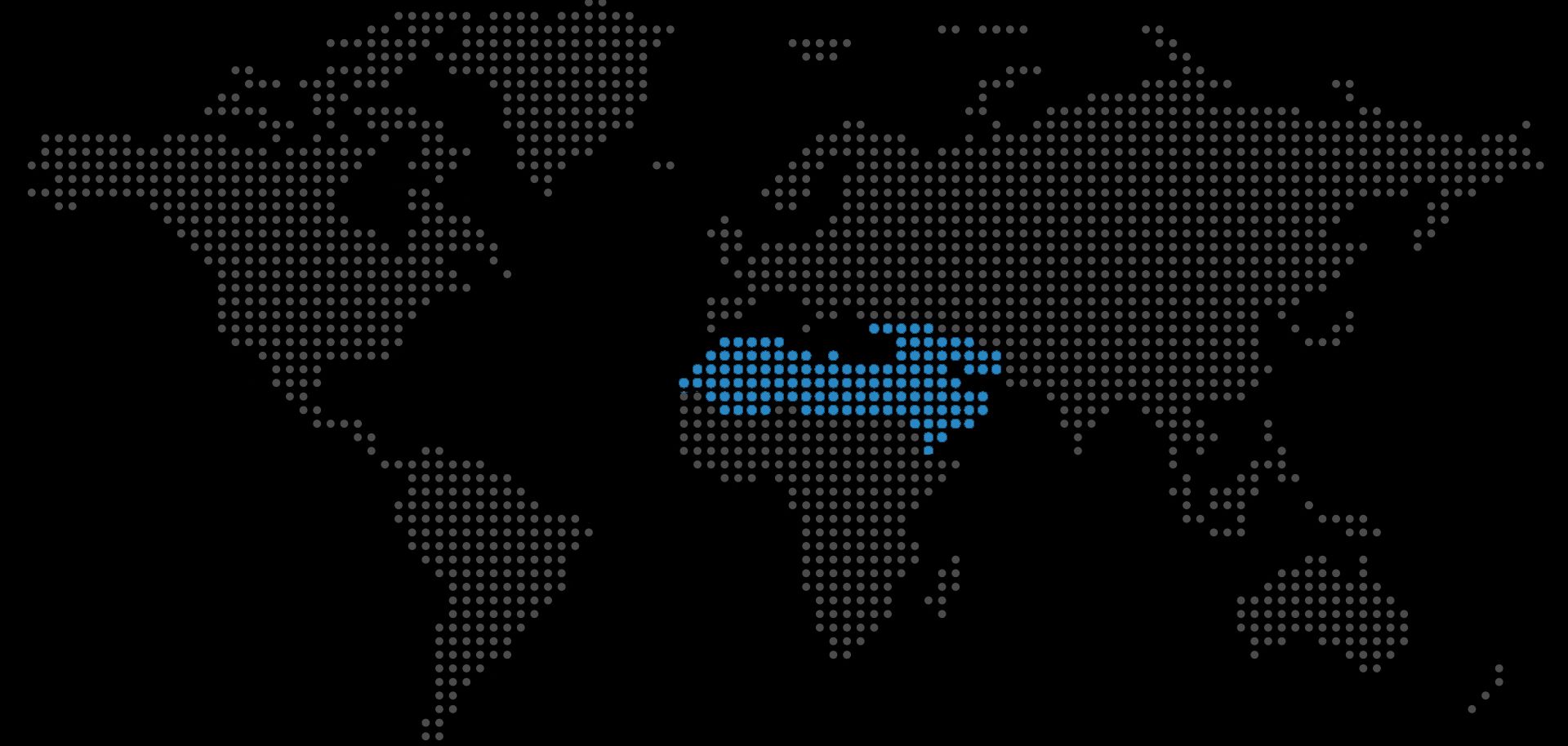
The escalation of Turkey’s operations against Kurdish militants in northern Iraq has shown Ankara’s willingness to encroach on Iraqi territory, even if it risks damaging ties with Baghdad. On June 17, Turkey deployed commandos in northern Iraq’s Haftanin region as part of Operation Claw-Tiger, a follow up to the air-intensive Operation Claw-Eagle launched the day before. Turkey's defense ministry described the operations as Turkey’s largest in the area in five years. Although Turkey has been conducting airstrikes in northern Iraqi territory against Kurdish militants and extremists for many years, the deployment of ground forces is an unusual development illustrating escalation in the urgency with which Turkey views these operations, which continue Ankara’s goal of targeting and destroying enclaves of the Kurdistan Workers’ Party (PKK).
The Iraqi government is limited in its ability to push back against these Turkish military operations, but such escalation will still risk triggering diplomatic breakdowns between Turkey and Iraq depending on the longevity and severity of the operations. Despite its objection to these operations on the basis of their violating Iraqi sovereignty, Iraq lacks economic leverage against Turkey because it depends in part on Turkey for trade. Moreover, Iraq’s federal government does not exert full territorial control over the Kurdistan Region of Iraq (KRI), nor over all of the military forces operating in the area. But if Turkey encroaches further south (away from the KRI toward federal Iraqi territory), or if it conducts operations near tense hot spots such as Sinjar or the oil-rich Kirkuk region, Iraq may feel compelled to defend itself rhetorically or even physically, though a viable military response remains unlikely.
Turkey will stay committed to anti-Kurdish military operations in Iraq as well as in neighboring Syria, despite both regional and Western governments’ growing discomfort with Turkey’s broadening military footprint abroad. If it were to significantly escalate its military activity in northern Iraq, Turkey risks incurring sanctions and spoiling the well of diplomatic relationships both with its neighbors and with Western countries, especially in light of Turkey’s two other controversial deployments in Libya and in Syria. But Turkey will stay committed to preventing the development of an independent Kurdish state within or near its border, which it views as a serious territorial and sovereignty risk. Ankara cited the increase in PKK-affiliated attacks on Turkish bases in Syria and southern Turkey as the reason why it launched these latest phases of Operation Claw. It’s unclear, however, whether or not there’s actually been such an uptick in PKK activity across Syrian and Turkish territory. But what remains apparent is Turkey’s commitment to degrading the capabilities of any PKK-allied Kurdish militant groups both inside and outside Turkey.
