
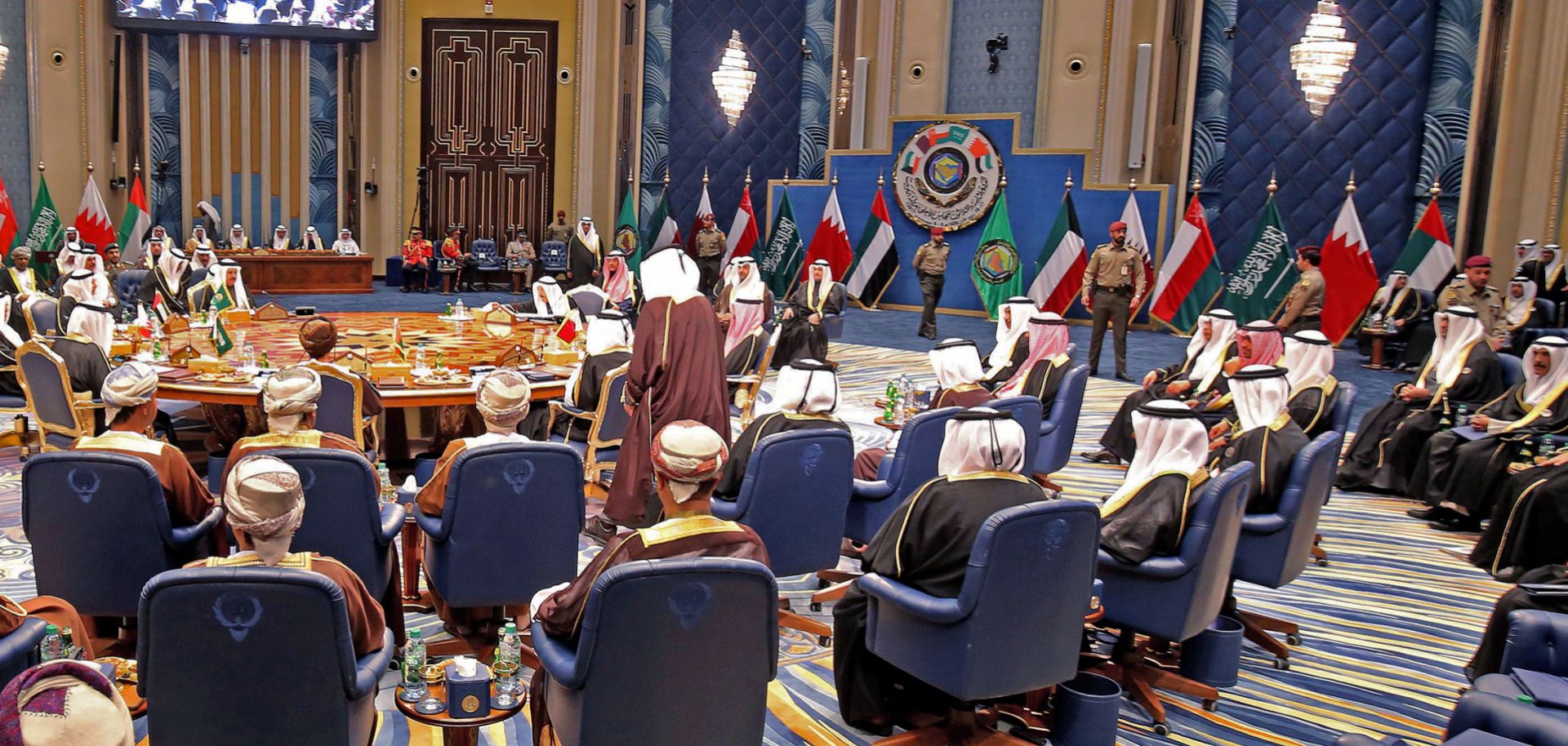
Gulf Cooperation Council leaders meet in Kuwait City on Dec. 5, 2017. Like other GCC member states, Kuwait is confronting, and grappling with, the need to diversify its oil-based economy.
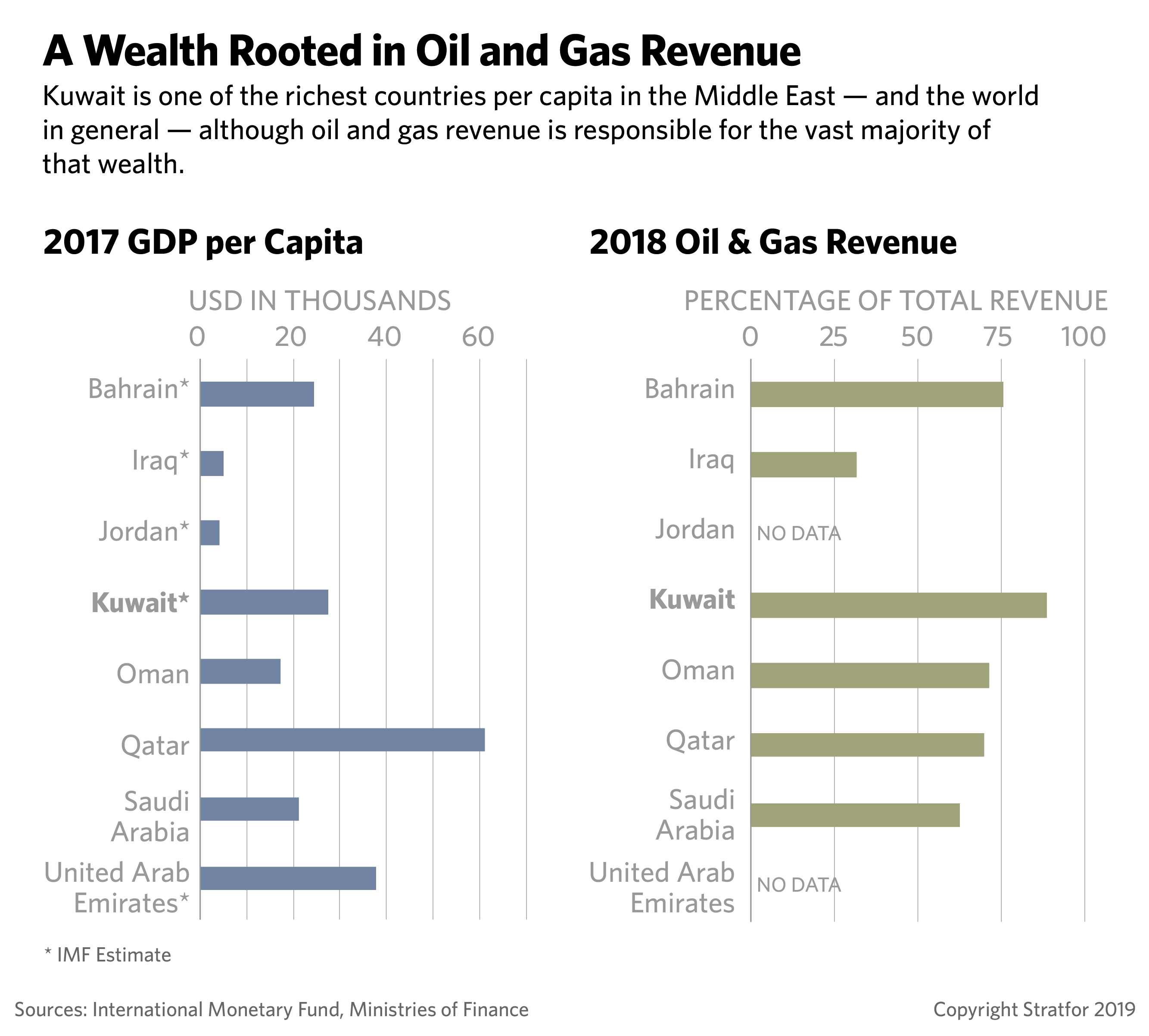
It's a common conundrum for all petrostates worried about the rapid approach of peak oil demand: How does one end such a profound dependence on hydrocarbons? Kuwait, for one, has followed a well-trodden path in its attempts to do so by implementing taxes, introducing new fees and trying to kick-start the private sector. Naturally, most of the plans are bankrolled by the coastal emirate's abundant wealth, which gives it significant margins to play with as it attempts economic reforms on its road to diversification.
But Kuwait's economy suffers from a high deficit, inefficient workforce and overreliance on public, rather than private, spending for growth. One of the country's biggest problems is the amount it spends on Kuwaitis, a relic from when the comparatively weak royal family sought to buy the acquiescence of its citizens, particularly the area's powerful merchants and political stakeholders, during the transition to an oil-based economy. Kuwait's uniquely vocal parliament — it's the only legislature in the Gulf Cooperation Council (GCC) that has the power to unseat ministers — is another holdover from this transition period. This relative degree of democracy slows attempts at reform, however, as lawmakers more beholden to the public have resisted austerity measures in a fashion that would not be possible in neighboring states that have weak or non-existent parliaments. As a result, the Kuwaiti government has had little choice but to place the burden of economic reform on its many foreign workers.
The Need for Reform
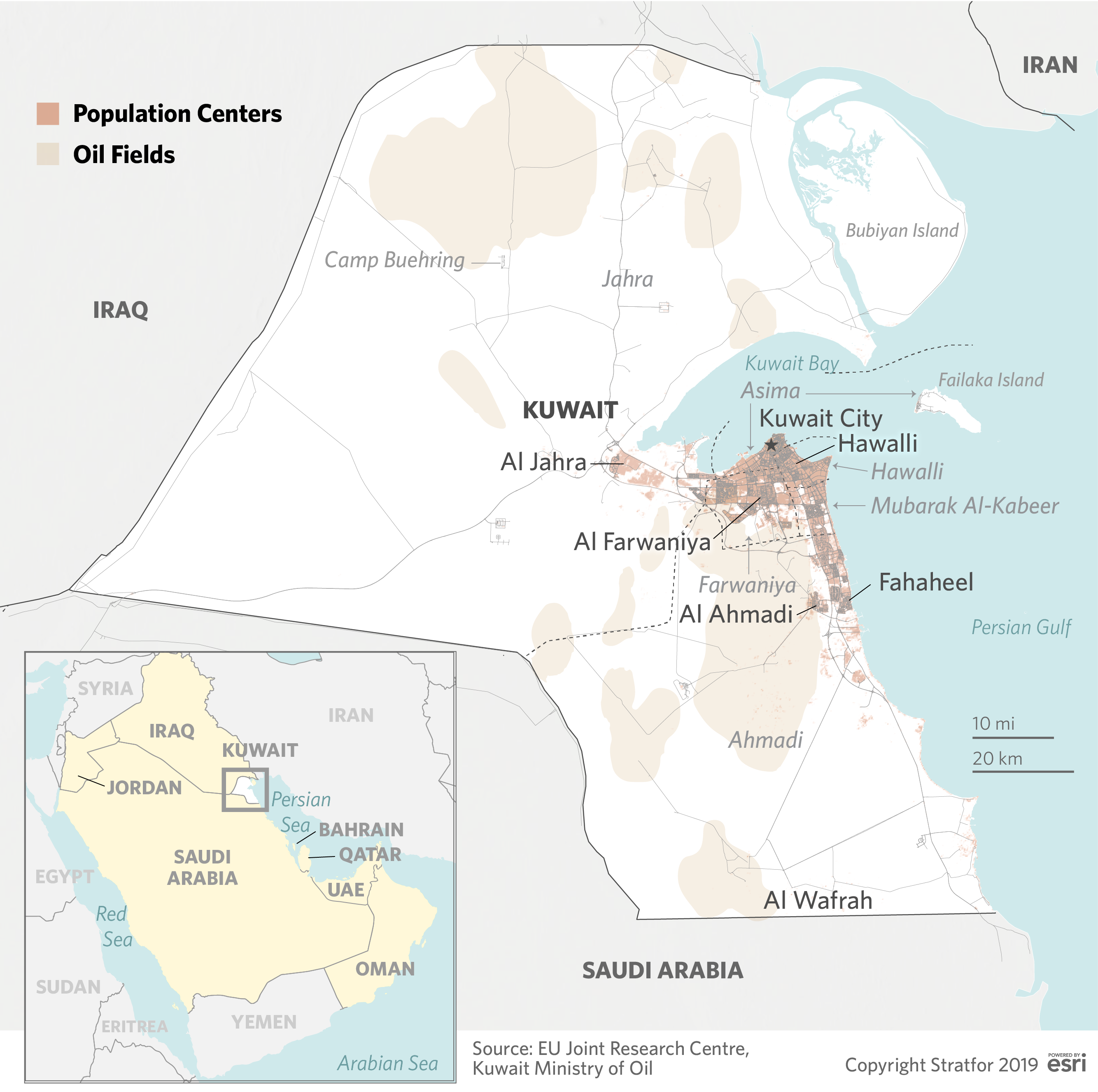
Kuwait needs foreign investors if its economic diversification plans are to work, yet its appeals for international funding could fall on deaf ears because of the region's volatility. Kuwait has long sought to insulate itself from economic shocks in the rest of the GCC by refusing to link its currency to the other Gulf currencies. (Indeed, Kuwait was the first to back out of talks a decade ago to create a common currency.) Because of its need for funding, Kuwait thus feels obliged not only to help maintain peace in its neighborhood to ensure its own stability but also to ease any financial risk stemming from the region's geopolitical uncertainties. This is part of the outsized role Kuwait plays in the Middle East and the Arabian Peninsula by mediating peace negotiations and diplomatic struggles from Yemen to Palestine while also maintaining a balance between geopolitically powerful neighbors like Saudi Arabia and the United Arab Emirates and other critical states in the region, such as Iran and Iraq.
Kuwait's biggest problem is perhaps its ratio of public spending to gross domestic product. At present, the figure is the highest in the GCC because of high public wages, soaring bills for subsidies and transfers, and elevated levels of support for state-owned enterprises. This spending, coupled with the country's economic losses stemming from its wage payments to nationals who produce little as part of a largely inefficient workforce, creates a massive hole in the country's budget.
Ultimately, this contributes to Kuwait's significant deficit, which the International Monetary Fund estimates will generate financing needs of up to $100 billion over the next five years, excluding Kuwait's income from investments. Although Kuwait boasts significant resources, including its sovereign wealth fund — the oldest in the Arab world and one of the biggest anywhere — it must repay a large amount of debt in the coming years. And wary of dipping into its rainy day fund, Kuwait is seeking an alternate way of funding its structural reform efforts — a quest that compels it to try and figure out how to spur growth in its private sector.
Striving for Kuwaitization
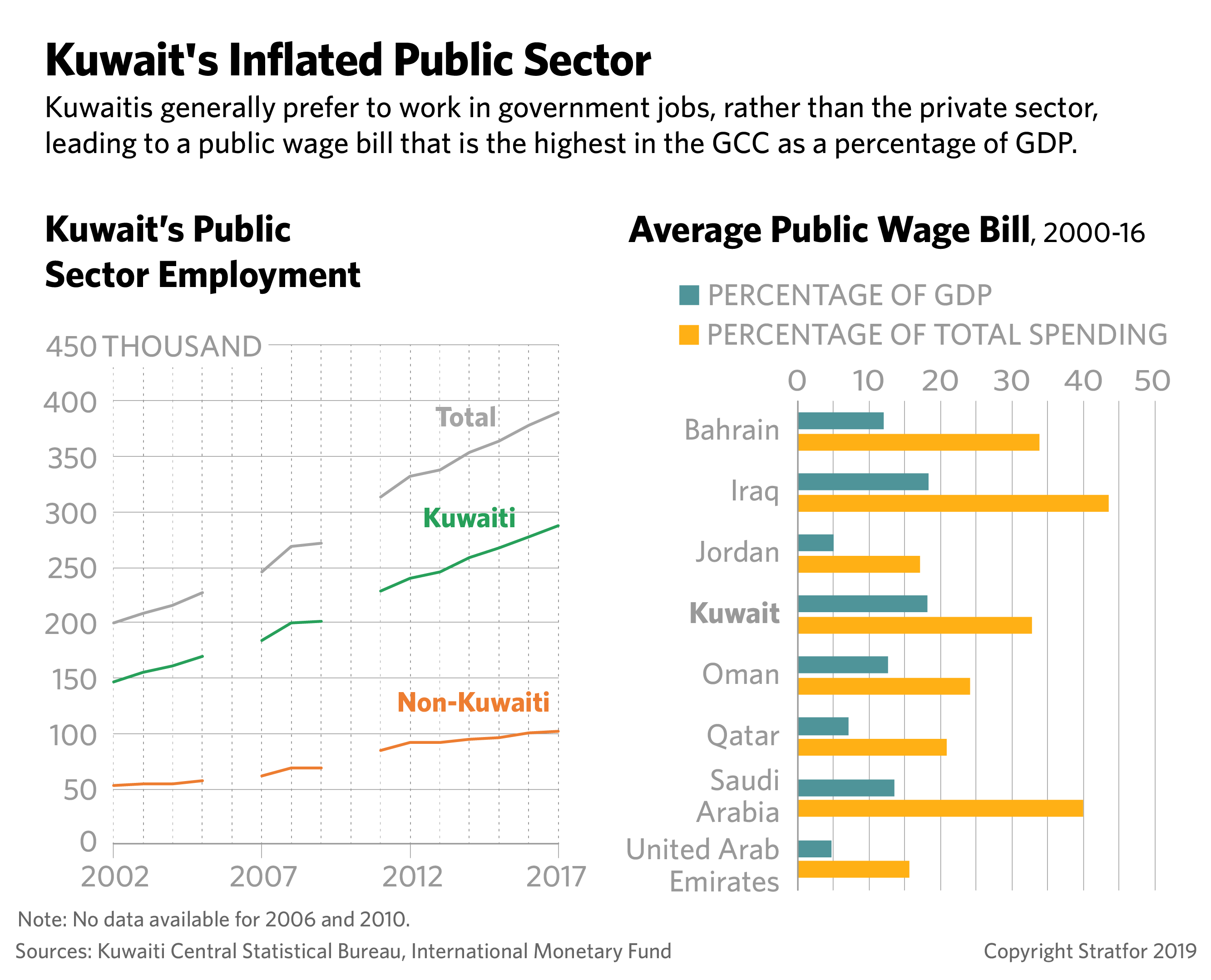
In pursuing this goal, the government has rolled up its sleeves on one of its most important reforms, labor nationalization. Colloquially known as "Kuwaitization," the program aims to increase the percentage of Kuwaitis working in the private and the public sectors over an initial five-year period. The government achieved some success during the first year (2017-2018) of the program by terminating the employment of 3,000 foreigners in public sector jobs to ultimately make way for native Kuwaitis. And more measures are on the horizon: The Education Ministry plans to lay off up to 1,000 foreign employees next year, while the government also passed a recent edict that stipulates that only Kuwaitis may drive airport taxis. Parliament has also discussed other proposals such as a new tax on expatriates' salaries before they send home remittances, as well as granting the Public Authority of Manpower more scrutiny over the skill levels of foreign workers, with an eye to terminating the employment of those deemed inadequate. This year, the Kuwaiti government also tightened age restrictions on foreign professors as part of its goal of balancing the need for top-quality professors in higher education with the desire to open lower-level positions for native citizens.
Given that the goals of Kuwaitization are to employ more nationals in desirable positions, there is little surprise that the program has proven popular with the country's citizens. The government has also pursued the program — or at least its initial phases — with gusto, especially as it is politically far more palatable than imposing austerity measures. On one hand, the government faces few hurdles in attracting more Kuwaitis to the public sector thanks to the positive societal attitude toward working in such jobs. After all, many nationals view government employment as appealing, resulting in large numbers of young Kuwaitis waiting for an opportunity to work for higher wages in the public sector rather than opt for a lower-paying job at a private firm that provides no guarantees of long-term employment.
But just as in Saudi Arabia, Kuwait's government has often erred on the side of penalizing and forcing the private sector to offer Kuwaitis more opportunities rather than create work itself. In this, Kuwait is letting the burden of its labor market reforms fall on expatriates, rather than on Kuwaitis, who can demand much more from the government. In fact, the downsides to the program have prompted the government to backtrack on some of its targets. For one, Kuwaitis largely lack the skills required for many of the jobs that expatriates hold in the health, education and technical sectors. Kuwait's government is also aware that, in the long term, it is still engaged in a GCC-wide competition to attract the best and brightest foreign workers — which is part of the reason why, in the midst of the move to terminate the employment of outsiders, the government has also moved to provide some perks for expatriates, such as increasing visa durations for the families of non-Kuwaiti workers.
The Upshot
With just 13,523 citizens currently unemployed, the Kuwaiti government ultimately has some time to figure Kuwaitization out. Nevertheless, the pressure to diversify will continue to deepen. At present, Kuwait's government is taking the path of least resistance, offering Kuwaitis something they want by removing the foreign workers ostensibly standing in their way. An influx of more Kuwaitis into the public sector, however, will eventually put the government on the hook for an even higher public wage bill. Indeed, a quick glance at the wage discrepancy between the public and private sectors is more than enough to illustrate the government's uphill struggle to persuade more Kuwaitis to abandon their dreams of a plush job in the public sector in favor of employment in the more demanding private sector. Given such a situation, it is foreign workers who will bear the brunt of the Kuwaiti government's experiments with labor reform in the coming years.
