
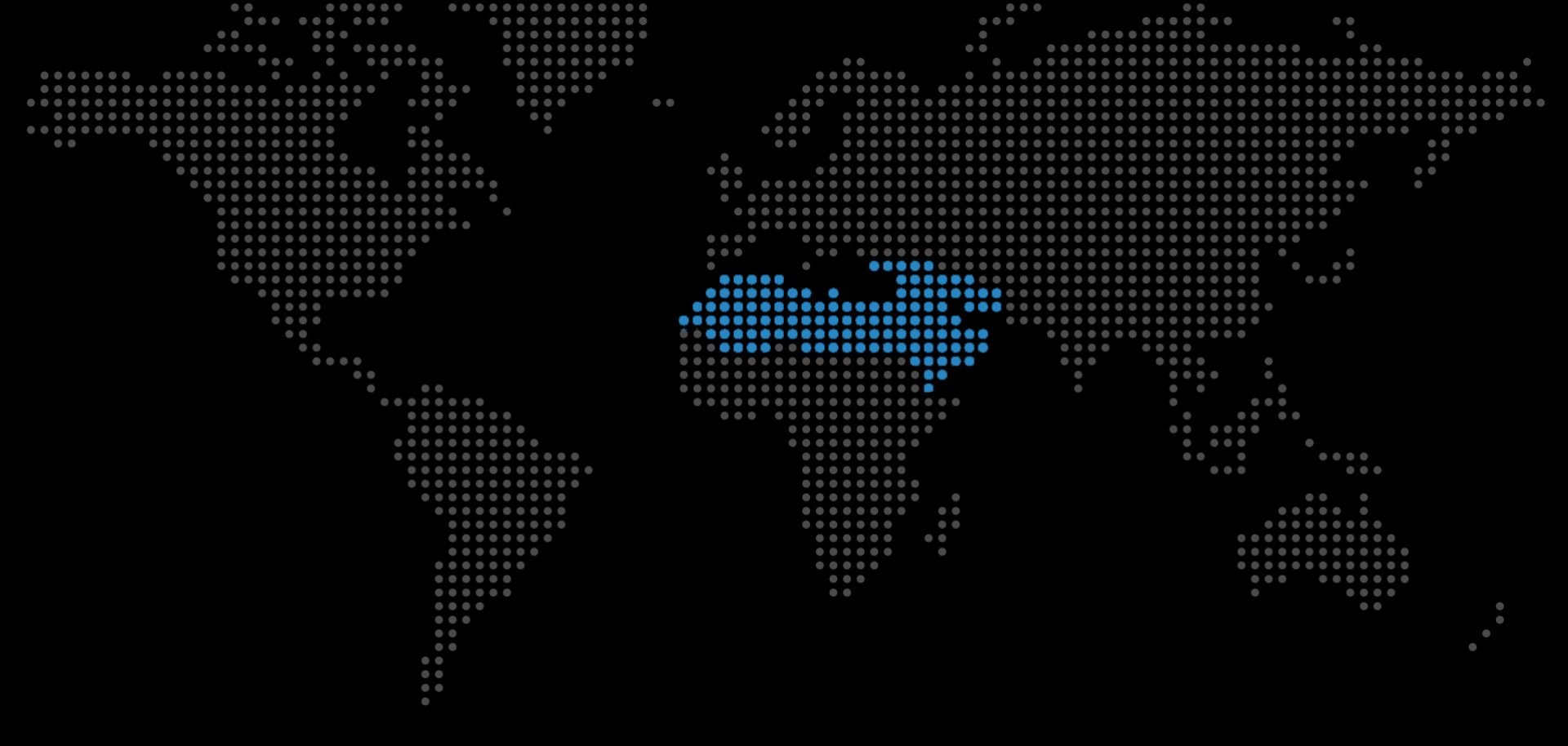
In Tunisia, protests continue as the country approaches an important anniversary. Since Jan. 8, demonstrators have been gathering in a handful of towns and small cities throughout the country to protest austerity measures, including tax hikes. Police have arrested about 300 protesters and detained 600 so far, according to Tunisian state media. The protests have become violent in several instances, such as in the towns of Thala, Siliana, Sousse, Tebourba, Bizerte and Kebili. In Thala protesters burned down a police station, prompting police officers to flee and drawing a response from the Tunisian national army.
The protests likely will remain at a simmer in the days leading up to Jan. 14, which marks the anniversary of the Tunisian government's overthrow during the Arab Spring in 2011. Other countries in the region, such as Egypt, have managed to limit the outward celebration or commemoration of their nations' respective Arab Spring events. But Tunisia is different. Often hailed as the biggest democratic success story of the countries involved in the Arab Spring, Tunisia has experienced regular protests since 2011 as its comparatively liberated populace has tried to make itself heard. For the past seven years, demonstrations have been standard in early to mid-January.
Still, this year's protests are larger than those from the same time last year. Since May 2016, when Tunisia began trying to comply with a new World Bank agreement in exchange for loan money, the country's government has raised taxes and made increasingly strict budget cuts. And Tunisians, especially in smaller towns where unemployment is high and the economic outlook is grim, have been active in expressing their discontent.
Opposition parties are using this year's demonstrations as an opportunity to rail against the current ruling coalition, largely consisting of the two biggest parties: the secular Nidaa Tounes and the Islamist Ennahda. For example, the Congress for the Republic Party on Jan. 10 called for a review of the 2018 finance law, which resulted in tax hikes that have spurred the current protests. This stance will no doubt appeal to voters, and as the country approaches municipal elections in May, Nidaa Tounes and Ennahda both will likely be concerned about the growing influence of opposition parties.
