

The EU countries that received temporary border controls following the sudden influx of migrants to Europe in 2015 are trying to keep them around a little while longer. But those measures are nearing their end. The border controls currently allowed inside the border-free Schengen area, between Austria, Germany, Denmark, Sweden and Norway expire Nov. 11. However, while the European Commission has confirmed that Schengen countries won't be allowed to prolong border controls, it did introduce proposals to update the Schengen Border Code.
The commission suggested a compromise solution: EU member states could apply for a new set of border controls by proving that open borders would pose a serious threat to security. It would allow them to retain border controls using terrorism, rather than migration, as justification. On Sept. 27, the Commission offered to extend the time limit of temporary border controls from six months to 12 months. According to the proposal, member states could also prolong controls for an additional duration of up to two years, but only if they also take exceptional measures in their national territory. A recommendation from the Council of the European Union, after an opinion by the European Commission, would also be required.
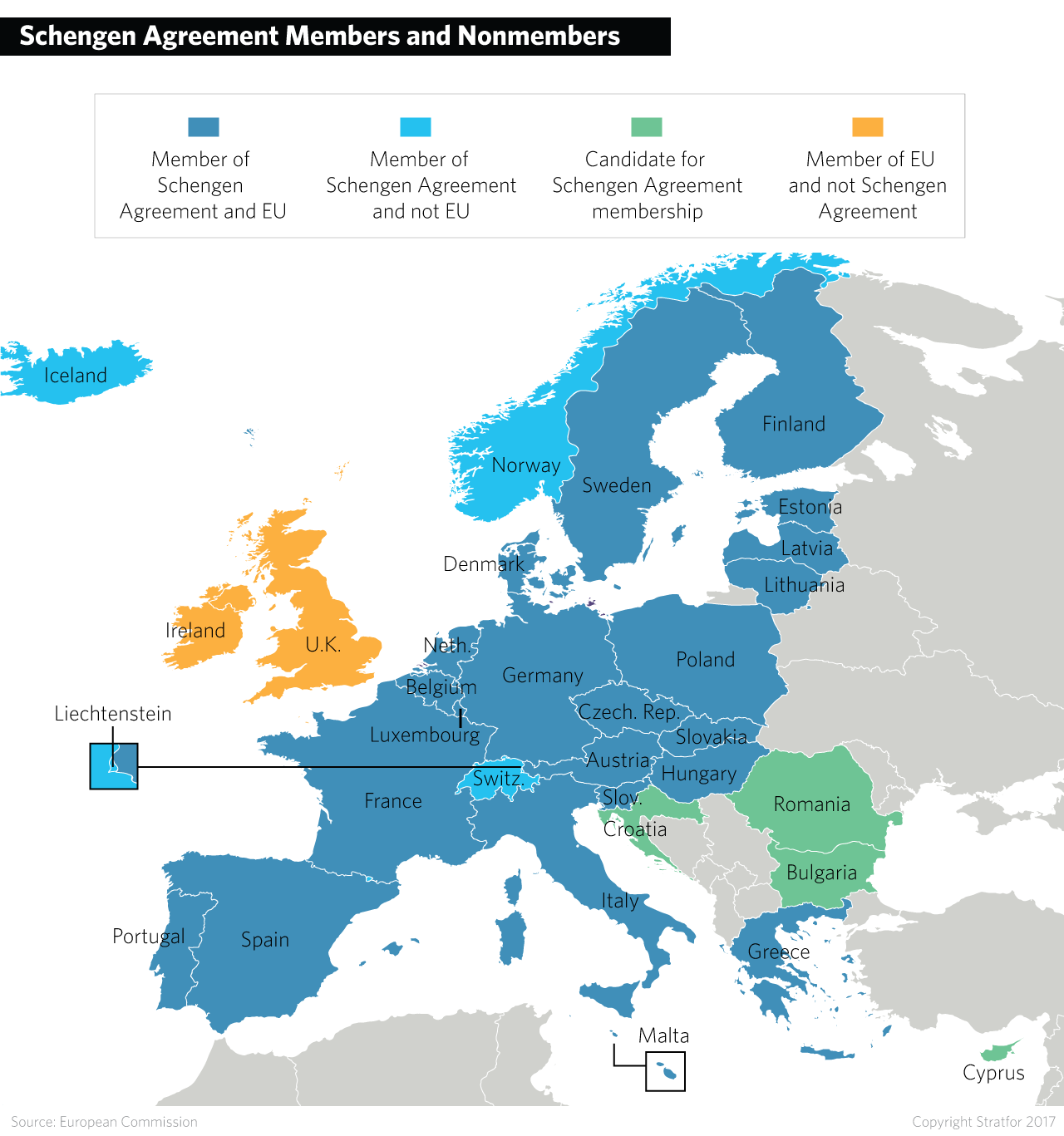
While seeking pragmatic solutions on border controls, the European Commission is also trying to promote its "Back to Schengen" agenda. The initiative aims to reinvigorate the free movement of people inside the Schengen area. Still, European countries are wary, especially after recent terrorist attacks across the Continent. Some European leaders have been calling on the European Commission to extend the maximum length of temporary border controls in the Schengen area, claiming there is mounting evidence that terrorists have travelled across the borders of member states. The Dublin regulation had attempted to stem the flow of migrants across Europe's borders by forcing them to make asylum requests in the first EU country of entry. The commission has since ensured that the regulation will be better applied to those countries of first entry, mainly Ireland, Italy, and Greece. The European Commission has also proposed to relocate migrants across different EU member states. But the scheme has largely failed because several Eastern European countries have opposed it.
Despite the declining number of migrants entering Europe illegally, far-right and Euroskeptic parties have linked migration, terrorism and border controls to gain support in domestic politics. Consequently, divisions among Schengen countries will remain, and could restrict the free movement of people in Europe for some time.
