
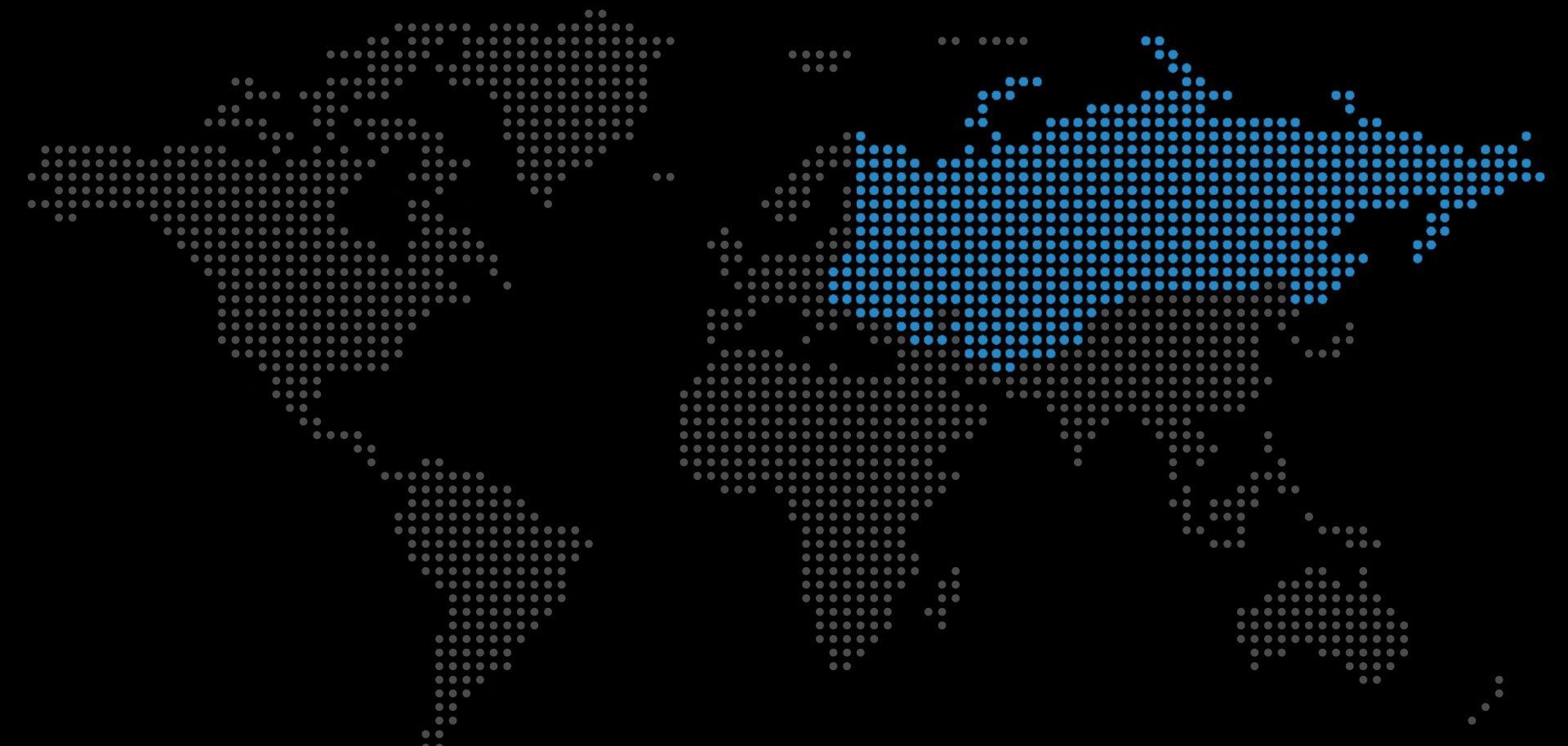
A series of regional Russian elections will act as an important indicator of the Kremlin's ability to maintain its strongholds, as the country's opposition groups mobilize ahead of a series of defining elections in 2018. On Sept. 10, 17 of the 85 Russian provinces — known as federal subjects — will hold gubernatorial elections; elections also are scheduled for six regional legislatures. United Russia, the country's ruling party, recently lost two key governor positions in Novosibirsk and Oryol to the Communist Party. Before his rise in popularity, the Kremlin allowed opposition chief Alexei Navalny to run for mayor of Moscow in 2013. Navalny garnered more than 27 percent of the vote, rattling the regime. Now, the Kremlin faces even more challenges to its control over regional areas.
The country is pulling out of a two-year recession, but is also settling into a prolonged period of stagnation. The financial burden on Russian regions remains high and various protest movements have been rising across the country. Many regional leaders have begun dissenting to the Kremlin's fiscal demands or have resisted orders to crack down on protests. The growing rift between the Kremlin and many of its regional rulers is making the country's leaders wary of open elections.
Naturally, the Kremlin has opened up its typical toolbox to massage the upcoming elections. Under pressure from mass protests, Russia reinstated gubernatorial elections in 2012. However, the Kremlin tacked on a stringent stipulation called the municipal filter. Candidates must gather signatures from at least 5 to 10 percent of local lawmakers. The filter is intended to weed out potentially strong candidates who might challenge Kremlin-loyal, United Russia choices.
As expected, many potentially strong candidates did not pass the municipal filter. In Irkutsk, authorities even placed a weak candidate from the small splinter party Communists of Russia to give the appearance of a communist on the ballot after ensuring a candidate from the main Communist Party failed to make it through the municipal filter. In Mari El, the Communist Party was intimidated into failing to name a candidate, and a promising independent candidate in Sevastopol was given a lucrative government job to keep him from running.
Unfortunately for the Kremlin, a large swath of the new generation is looking to shake up the system. Reflective of Russia's ongoing generational change, 37 percent of legislative candidates are under 35. In response, the Kremlin is planning a series of concerts, raffles and giveaways to bring out more amenable voters.
The Kremlin's ability to manipulate the election is a dry-run for more important elections next year. Russian President Vladimir Putin is up for his fourth re-election in March, which he will likely win. The Kremlin is already working to keep key rivals from running. Opposition heavyweight Navalny is barred from candidacy following charges of embezzlement. Navalny would not have beaten Putin, but he could have made a sizeable dent in Putin's share of the vote. The Moscow mayoral race in September 2018, on the other hand, could see real uncertainty when Navalny and the Communist Party run candidates against Putin-loyalist Sergei Sobyanin. The Kremlin can continue using parlor tricks to secure its desired outcomes for now, but such maneuvers will feed into the country's already growing discontent.
