
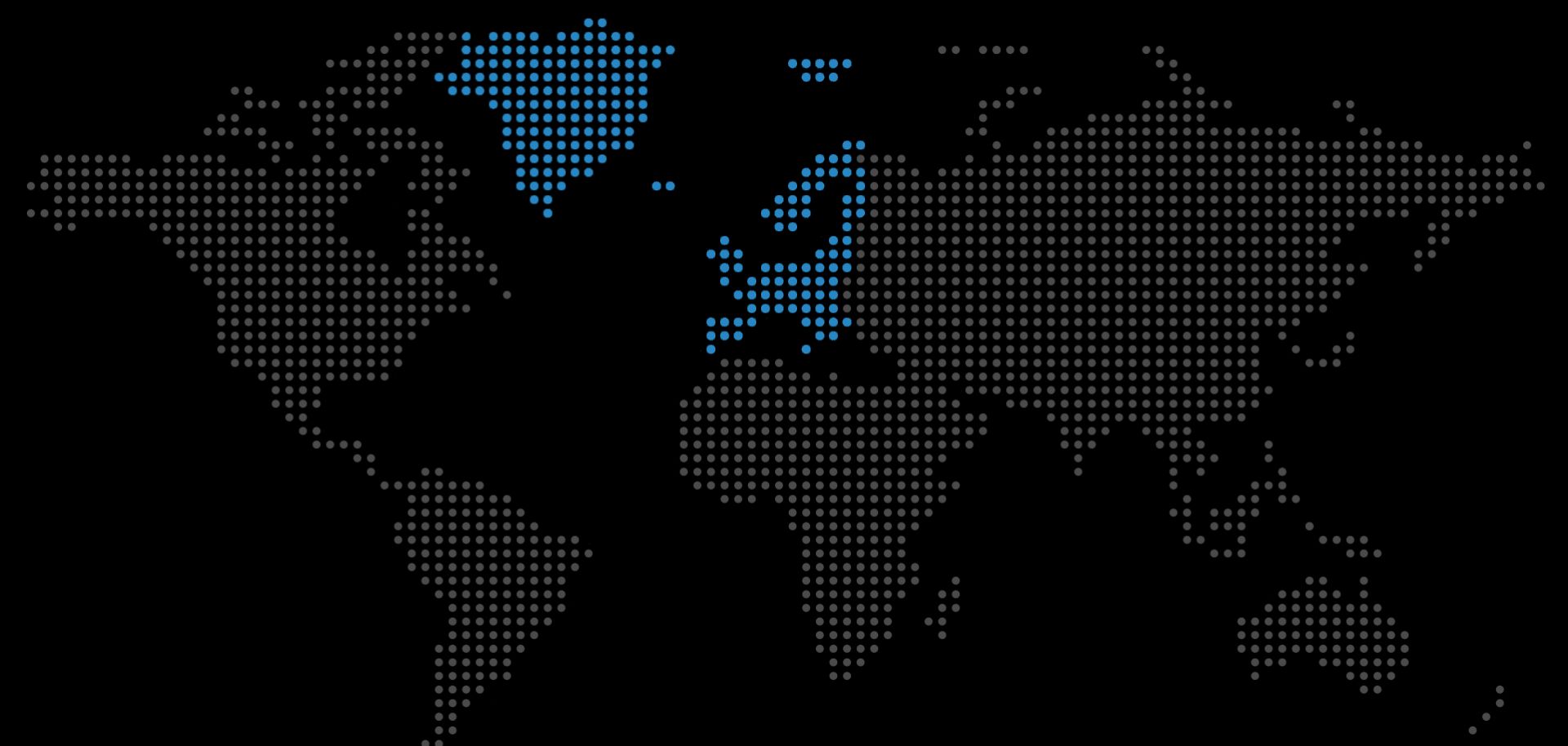
Leaders from seven nations — Canada, France, Germany, Italy, Japan, the United Kingdom and the United States — are meeting in the Italian city of Taormina on May 26-27 to talk about security, sustainability and trade. Many of the nations in attendance at the meeting, known as the G-7 summit, are under new leadership. But under President Donald Trump's administration, the United States promises to be the wild card of the group. G-7 leaders are expected to discuss ways to address security, environmental issues and trade during the summit, titled "Building Foundations of Renewed Trust." Coming to a common understanding won't be easy for the participating countries, however. Depending on how the summit plays out, the group may even opt to issue a statement without the United States' support.
The other members of the G-7 are likely to extol the virtues of free trade to Trump, who has already demonstrated his skepticism about free trade agreements. In March, the United States refused to sign a communique committing to free trade during a meeting of finance ministers from 20 countries, including Germany, France and Canada. And on the eve of the G-7 summit, Trump announced that he intends to counter Germany's trade surplus — which he said harmed the United States — once a new U.S. trade representative is installed. Trump agreed with EU leaders to establish a working group to discuss difficult global trade issues. Considering the president's distaste for multilateral free trade agreements, though, the chances of reviving the EU-U.S. Transatlantic Trade and Investment Partnership (TTIP) are slim.
When it comes to the environment, the United States' position on the Paris climate agreement will come under scrutiny once again. Trump has said that he would pull the country out of the agreement, signed in 2015. Though he has yet to do so, the United States' stance on climate change prevented the G-7 from releasing a common statement during its meeting in Rome in April. The Trump administration, meanwhile, is purportedly divided on the issue. The president is nevertheless open to listening to the European Union's arguments on the matter, according to one of his top advisers. Furthermore, regardless of what happens at the G-7 summit or even what the United States decides to do about the Paris accord, economics, national imperatives and social perceptions will drive the global effort to address climate change more than global agreements will.
Washington's position on security is much closer to that of its peers in the G-7. The fight against terrorism is one that all the group's members support. (Even so, a minor quarrel erupted just before the summit when the United Kingdom said it had stopped sharing some of its intelligence with the United States because of leaks to the media from U.S. intelligence services.) And the G-7 members are likewise unanimous over the main security problems facing the world: terrorism, North Korea's nuclear ambitions, and the conflicts in Syria and Libya.
