
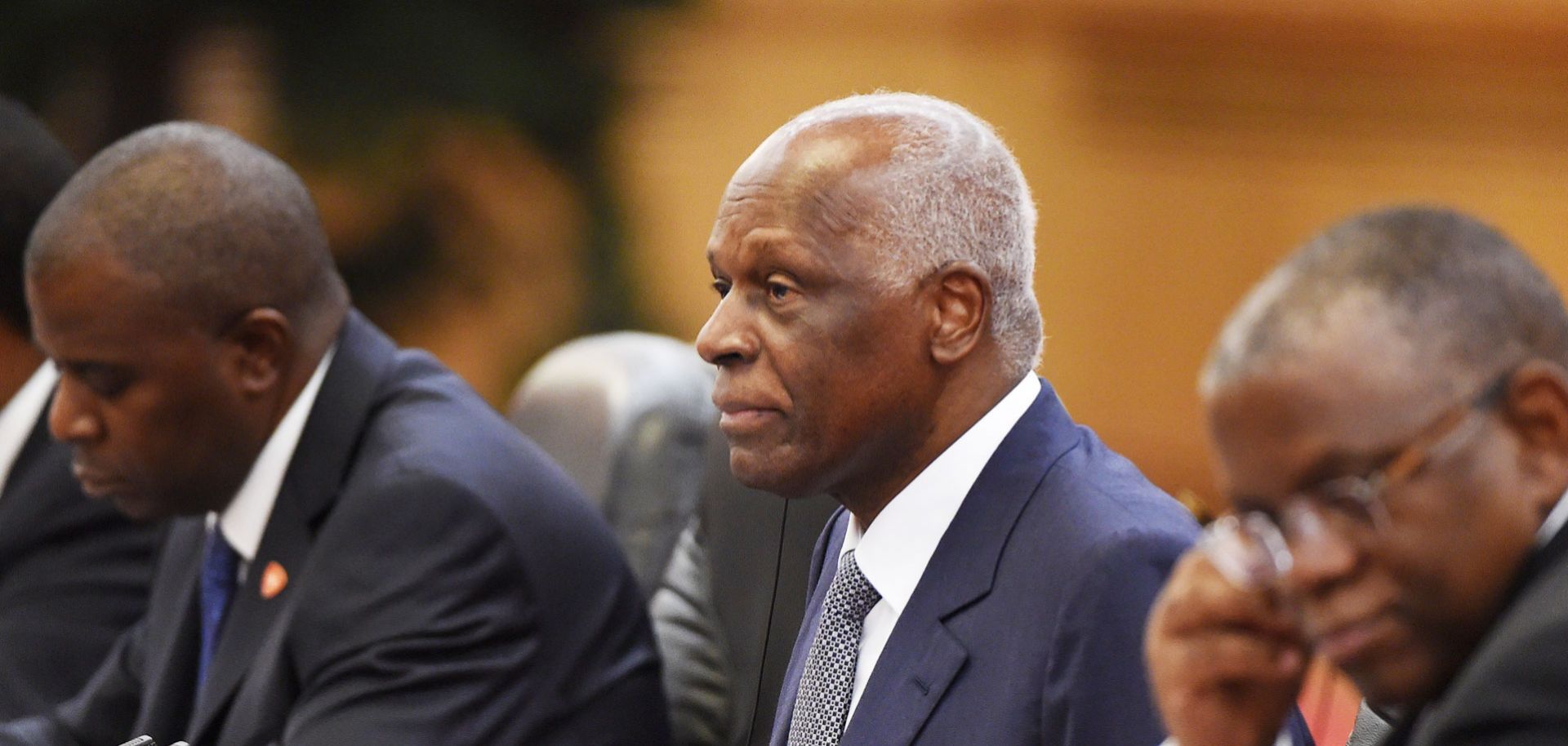
Perhaps the most significant result of the Aug. 17-20 congress in Luanda, besides the affirmation of dos Santos as party chair — virtually ensuring his re-election as president after 2017 parliamentary elections — was the elevation of Angolan Defense Minister Joao Lourenco to the MPLA vice presidency. Lourenco, long considered a strong candidate to succeed dos Santos, has gained prominence in recent years through appearances abroad. He is also a popular choice among the country's security services, an important institution in Angola. In addition, the party named Antonio Paulo Kassoma as its new general secretary. His decades of party experience, including stints as prime minister, president of the national assembly and deputy defense minister, make him a natural choice to shepherd the MPLA through the upcoming transition. That Angola endured decades of civil war plays into the MPLA's desire to install an experienced leader.
Two of dos Santos' children, Jose Filomeno dos Santos and Welwitschia dos Santos, were named to the MPLA's Central Committee. The posts do not come with significant political power, but they establish a family continuity in the party, enabling the elder dos Santos to maintain his influence on party affairs even after his retirement. Though both children have high profiles in Angola — Jose Filomeno manages the country's sovereign wealth fund, and Welwitschia has been a member of parliament and a media figure — they were not promoted above their experience level. The president likely wants them to remain active in the party, especially after he leaves office.
Another of the president's children, Isabel dos Santos — Africa's first female billionaire — was recently made the nonexecutive director of Sonangol, the country's critically important state-owned oil company. Having family embedded in the political and economic structures of the country will likely help dos Santos to strengthen his hand as he prepares to exit the political stage. Despite his plans to retire, dos Santos does not necessarily want to cut all ties to the party he has spent his life serving.
Promoting Kassoma and Lourenco within the party's structure is a pragmatic move on dos Santos' part. Attempting to propel his relatively inexperienced family members ahead of those qualified senior officials would likely have upset the transition process. That he refrained from doing so bodes well for the country's stability as the president attempts to engineer the first presidential transition since the death of Angola's first president, Agostinho Neto.
On the whole, the results of the MPLA party congress represent a bid to select a leadership capable of seeing the country through its economic doldrums and eventual political transition. Dos Santos will likely stay on for at least another two years to guide the process, which will be critical to a successful transition. Angola's MPLA-led political system is backed by an extensive network of patronage based on experience and loyalty to the party. In electing a potential successor as party vice president, the MPLA's leaders have afforded Lourenco time to further integrate into the party's system while continuing to demonstrate his leadership abilities. The inclusion of dos Santos' relatively young children in the party's power structure may be an attempt to continue the president's political lineage. Even so, by naming Lourenco and Kassoma to such prestigious positions, the party has ensured that steady hands will guide Angola through its first leadership change in more than a quarter-century.
