
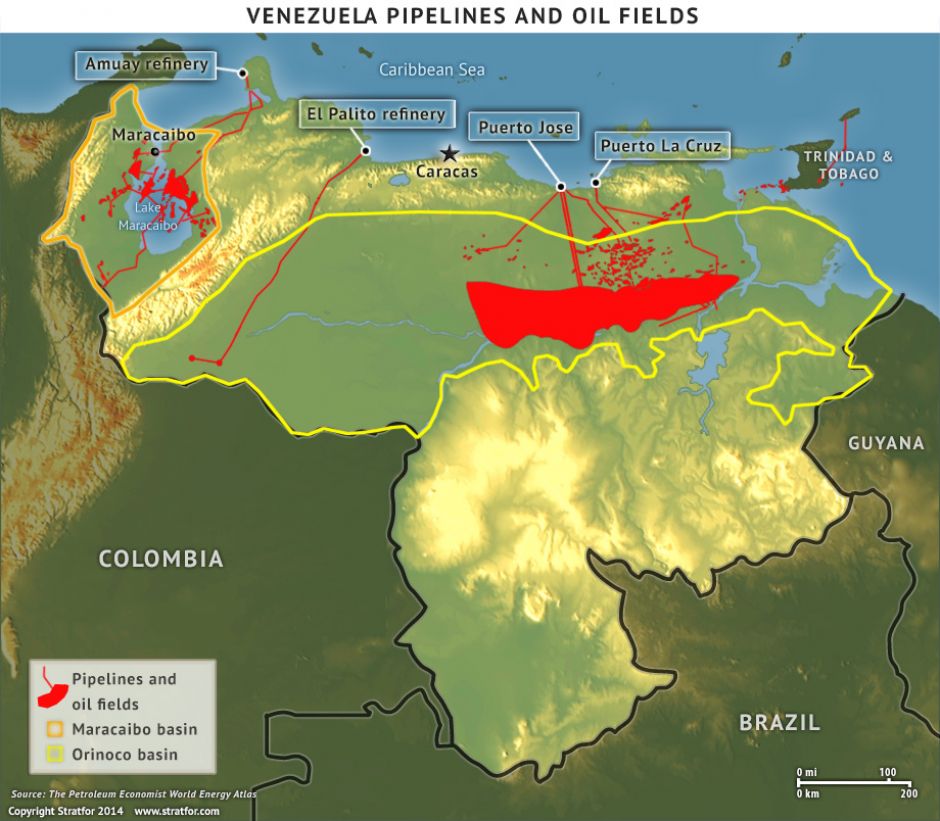
Although plentiful, Orinoco crude is extra heavy (highly viscous) and sour (laden with a variety of contaminants, including sulfur). In some cases, the oil must be superheated in order to be extracted from the ground. After that, it cannot be put directly into a pipeline, and instead must frequently be "upgraded" before it can be efficiently transported. Upgrading Orinoco crude — stripping it of contaminants — is a complex industrial process similar to refining and requires Venezuela to have upgrader facilities that do a first pass in refining the crude so that it can then be sold to a conventional refinery and turned into fuel. Venezuela has four such upgraders that collectively processed 579,000 barrels of oil per day in 2012. In addition to being upgraded, the crude can also be mixed with lighter hydrocarbon liquids, like naphtha. In some cases, that naphtha can be extracted from the crude mix later and recycled for future use in diluting heavy crude for transport.
The Strength of Export Facilities
Once the oil is extracted from the Maracaibo and Orinoco regions, it is sent to one of two places: export facilities on the coast or domestic refineries to service local fuel consumption. More than 80 percent of Venezuela's exports leave from one of two ports — Puerto Jose or Puerto La Cruz — located near each other on the coast of Anzoategui state. Puerto Jose handles two-thirds of the country's oil exports and also hosts an upgrading facility. The export facilities in Anzoategui are perhaps the most critical strategic infrastructure affecting exports in the country.
Thus, physical threats to energy exports — whether from protests or militant attacks — likely would affect these facilities. There have been very few protests affecting Anzoategui, and a disruption of oil exports directly related to ongoing unrest elsewhere in the country is unlikely. Petroleos de Venezuela offices have been targeted in small-scale attacks — on the order of vandalism — but there have not yet been attempts to degrade Venezuela's energy infrastructure using militant tactics. In fact, the one bright spot on Venezuela's political horizon is that there really are no players in the current political crisis interested in harming energy infrastructure. Even if such an interest existed, the vast industrial parks that make up Venezuela's most critical infrastructure — where upgrading and exporting is done — would be very difficult targets for even a well-organized and -funded militant group without help from the inside, and such help does not appear likely in the foreseeable future. Although pipelines would be easier targets than export facilities and industrial parks, they are also much easier to repair.
Problems With Domestic Energy Facilities
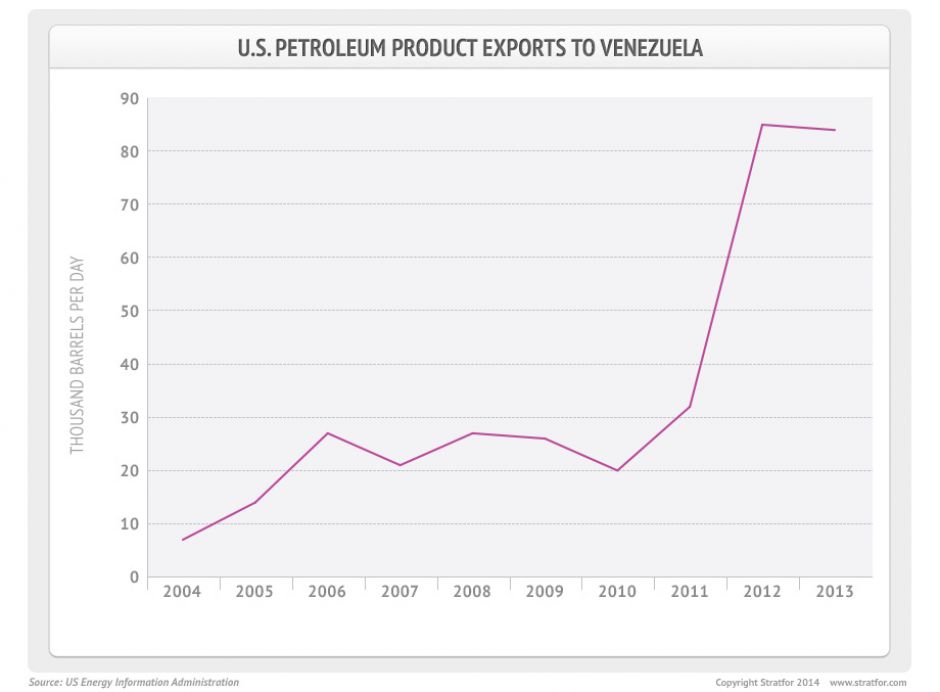
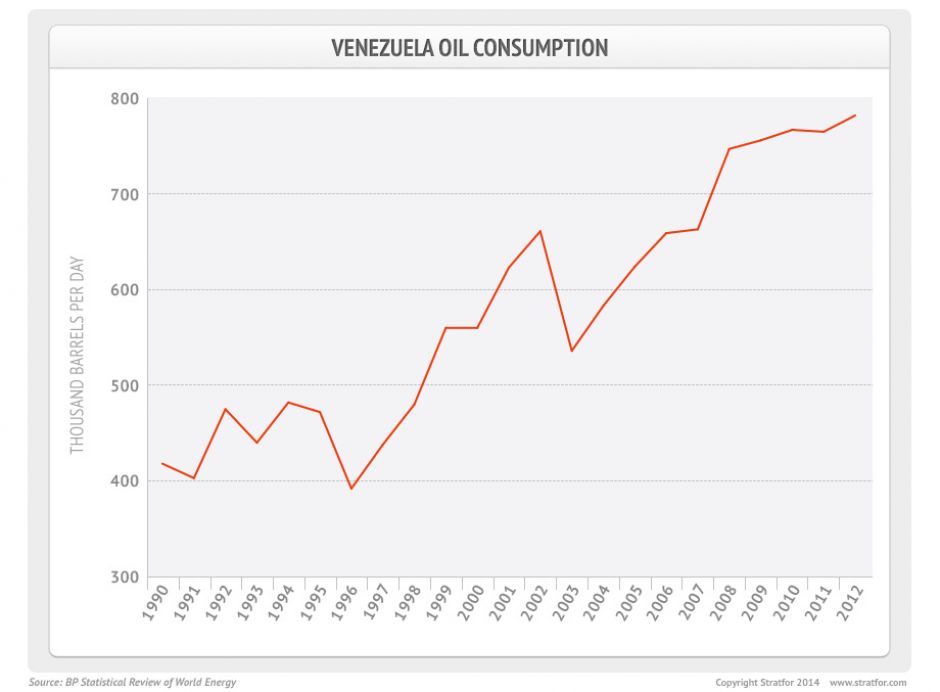
Facilities serving Venezuela's domestic energy market are more fragile than those supplying the export market. The oil that is not exported is refined for Venezuela's growing domestic consumption. Seventy percent of Venezuela's refining capacity is located near the Maracaibo region, on the Paraguana Peninsula. There are two major refinery complexes on the peninsula, at Amuay Bay and Punta Cardon. Venezuela has two additional refineries to the east, at El Palito and Puerto La Cruz. Trouble in Venezuela's refineries has triggered a series of attempts to upgrade the facilities or repair damage. For instance, a coker unit at the Amuay refinery has been paralyzed since January; as of March 18, government officials expected it to remain offline for another 60 days. Maintenance delays, combined with rising consumption of refined products domestically, led to a sharp increase in Venezuelan imports of refined products in the past two years. Imports of refined products from the United States rose from 20,000 barrels per day in 2010 to 84,000 barrels per day in 2013.
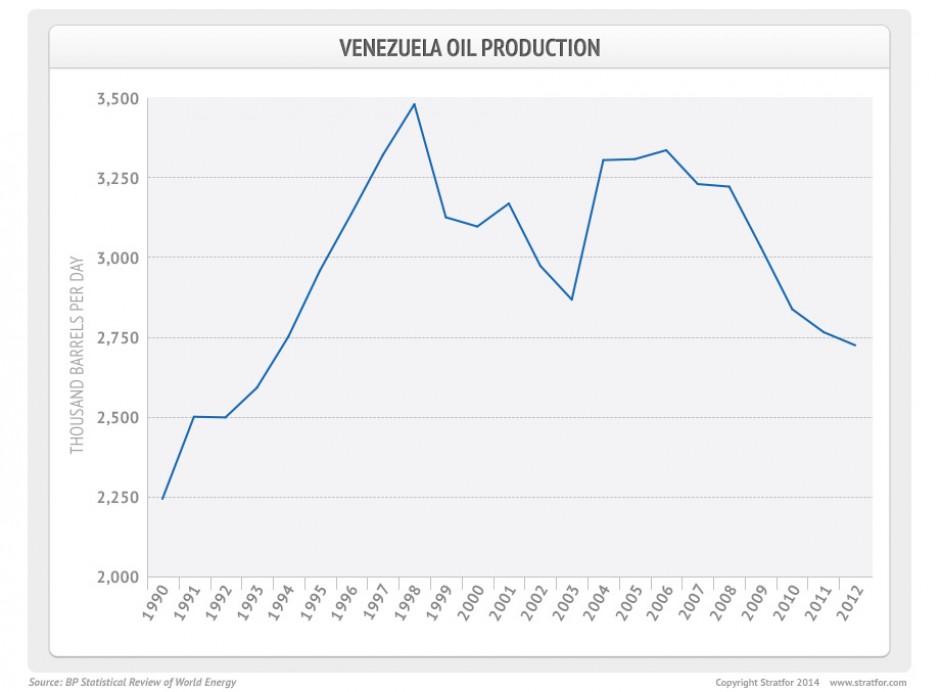
In fact, the overall degradation of Venezuela's energy infrastructure would be the most likely cause of a future disruption of supplies, both domestically and for export. The slow decline in the energy industry will take years to reverse and will require a credible resolution of the ongoing domestic political and economic turmoil.
- Part 1: Venezuela: Producing Oil Amid Political Unrest
- Part 2: Venezuela's Energy Sector Remains Vulnerable
