
Video Transcript
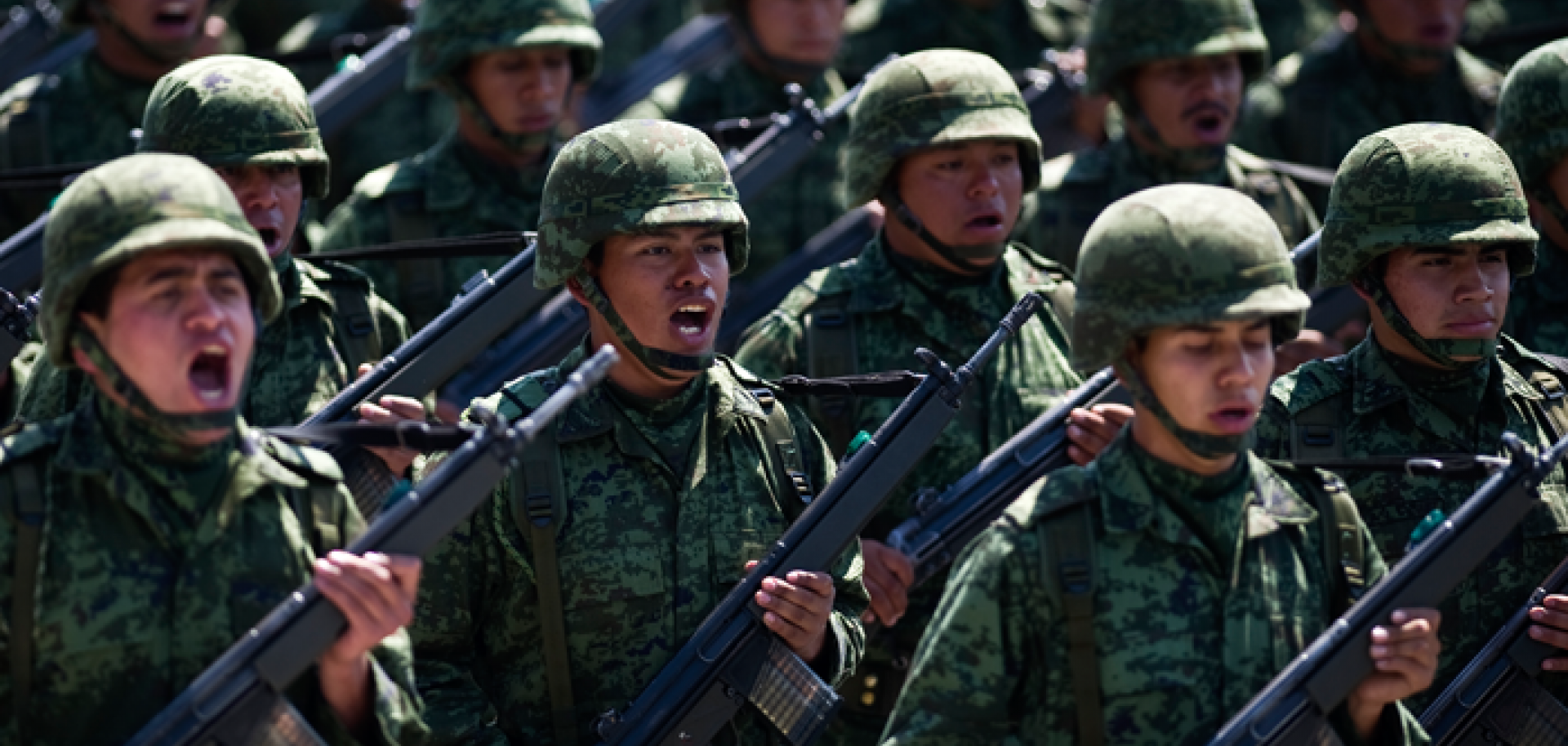
Mexican authorities have arrested four current and former military officers as part of an ongoing investigation into corruption allegations. The men in custody include a former deputy secretary of defense as well as serving generals. They have not been officially charged yet but are believed to have been involved with the Beltran Leyva drug trafficking organization. These are the highest profile arrests since a 2008 investigation yielded four arrests of influential security personnel and they also contribute to a growing concern about the role of the military in Mexico’s cartel war.
With presidential elections approaching July 1, Mexico is at a crossroads. The military was initially employed to help federal and local police deal with increasingly violent drug trafficking organizations by the Vicente Fox administration. It wasn’t until Felipe Calderon came into power in 2006, however, that the drug war began in earnest.
For both of these administrations, the military represented a way to counteract rampant corruption among police agencies. The danger, of course, was that increased corruption of the military would follow its exposure to the drug trafficking trade.
From the beginning, the drug war in Mexico has been aimed at the long-term reduction of violence at the hands of organized crime. The immediate impact of the war, however, has been to break apart previously stable drug trafficking alliances and spur violent competition between cartels and the government.
This violence has caused Calderon’s party to lose popularity, and the Institutional Revolutionary Party candidate — Enrique Pena Nieto — is in the lead in pre-election polling. Though Pena Nieto has stated that the military will remain deployed, he has emphasized more reliance on federal and state police involvement.
Whether or not the military continues to be involved is the question on everyone’s mind, and the recent arrests underline the degree to which corruption has indeed crept into the highest ranks of the military. The problem, however, is that state and local police forces remain corrupt and understaffed. Programs designed to get municipal and state level police back to work have stalled due to lack of resources or ongoing corruption.
So while the new government in Mexico City may wish to eventually move the military out of direct contact with the drug trade, it’s not currently an option. Creeping corruption continues to undermine Mexican institutions and their ability to secure territorial control from these third party actors. Whereas the military was originally the next best alternative to corrupt police forces at the beginning of Calderon’s presidency, there may be no such independent resource for the new government and very limited room to maneuver in combating high death tolls.
